Neu5Gc serum biomarkers could be a promising new tool for early detection of breast cancer

A group from Institute for Glycomics, Griffith University, Gold Coast campus, Southport, QLD 4222 Australia, etc. has reported that Neu5Gc serum biomarkers are a promising new tool for early detection and disease monitoring for breast cancer.
https://www.ncbi.nlm.nih.gov/pmc/articles/PMC8962556/

A new lectin is derived from the B-subunit of the Shiga toxigenic Escherichia coli (STEC) Subtilase cytotoxin (SubAB), which recognizes α2–3 linked Neu5Gc. This lectin was engineered to to expand the recognition from only α2–3-linked Neu5Gc to include both α2–3 and α2–6 Neu5Gc linkages, and named as SubB2M. A non-sialic acid binding version named as SubBA12 was also enginnered by replacing Ser12 with Ala12. Mutation of this Ser residue abolishes interactions with the C1 carboxylate group of sialic acid and thus the SubBA12 mutant cannot bind any sialylated glycans.

SPR biosensor was used to detect serum Neu5Gc levels of breast cancer patients and healthy persons.
In order to eliminate non-specific bindings, SPR signal of SubBA12 immobilized sensor chip was subtracted from that of SubB2M immobilized one.
As a result, it was shown that serum Neu5Gc levels can discriminate breast cancer patients clearly from cancer-free individuals with high specificity (100%) and sensitivity (98.96%).

Monoclonal antibody reference standard with extensive glycan characterization: NISTmAb

Global Biologics, Science Division, United States Pharmacopeia, Rockville, MD 20852, USA has disclosed a monoclonal antibody reference standard, with extensive glycan characterization.
https://www.mdpi.com/1424-8247/15/3/315

A monoclonal antibody reference standard, with extensive glycan characterization is available from the National Institute of Standards and Technology designated as NIST Reference Material 8671, NISTmAb.
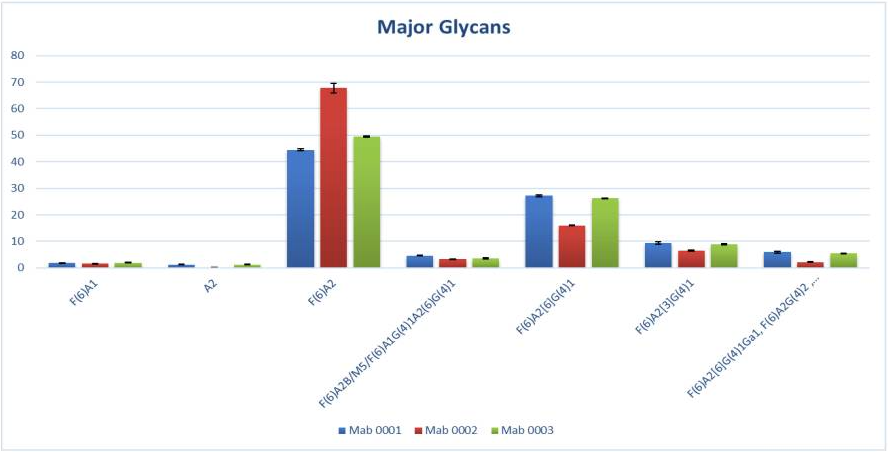
The United States Pharmacopeia (USP) developed three monoclonal antibody reference standards (i.e., USP mAb 001 RS, USP mAb 002 RS, and USP mAb 003 RS) that may be used as control materials to demonstrate whether glycan characterization procedures provide an accurate result.
The USP mAb reference standards are different proteins of the same IgG type 1 subclass yet provide sufficient variability to examine a broad spectrum of glycan structures. Glycan characterization is commonly performed by analysis of glycans released from the protein backbone.


where,
F(6)A2: core fucosylated biantennary,
F(6)A2B: core fucosylated biantennary with bisecting GlcNAc,
M5: five mannose on core GlcNAc,
F(6)A1G(4)1: core fucosylated monoantennary with β1-4 linked Galactose,
A2[6]G(4)1: biantennary with β1-4 linked Galactose attached to α1-6 linked core mannose,
F(6)A2[6]G(4)1: core fucosylated biantennary with β1-4 linked Galactose attached to α1-6 linked core mannose,
F(6)A2[3]G(4)1: core fucosylated biantennary with β1-4 linked Galactose attached to α1-3 linked core mannose,
F(6)A2[6]G(4)1Ga1: fucosylated bianntennary with a β1,4-linked galactose directly attached to the α1,6-linked core mannose, and an α1,3-linked galactose attached to the β1,4-linked galactose,
F(6)A2G(4)2: equal to G2F,

Targeting TGF-β1 pathway might be a promising approach to enhance immune checkpoint blockade PD-1/PD-L1 in nasopharyngeal carcinoma

A group from Department of Otolaryngology-Head and Neck Surgery, Nanfang Hospital, Southern Medical University, Guangzhou, China, etc. has reported that targeting TGF-β1 pathway might be a promising approach to enhance immune checkpoint blockade PD-1/PD-L1 in nasopharyngeal carcinoma (NPC).
https://pubmed.ncbi.nlm.nih.gov/35311117/

It is well known that PD-L1, programmed death ligand-1, is a transmembrane glycoprotein expressed by tumor cells and PD-L1 inhibits T cells activity and promotes immune evasion through binding to its receptor PD-1 on T cells.

TGF-β is a multifunctional cytokine with an important role in both physiologic and pathologic processes, including cancer. The aberrantly upregulated production of TGF-β has been strongly implicated in tumor progression, angiogenesis, and metastasis, as well as immune escape. TGF-β has been regarded as a critical immunosuppressive cytokine, which suppresses the antitumor activity of effector cells, including CD8+ T cells, natural killer (NK) cells, and macrophages.

In this study, it was confirmed that PD-L1 was heavily glycosylated in NPC, and found that TGF-β1 played an important role in N-glycosylation of PD-L1.
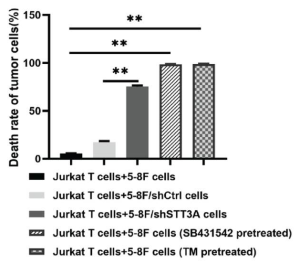
Inhibition of TGF-β1 by a TGF-β type I receptor inhibitor (SB431542) reduced not only PD-L1 expression but also PD-L1 glycosylation. The reduction of PD-L1 glycosylation was confirmed by loss of PD-L1 binding ability to ConA lectin.

Authors found that the glycosylation of PD-L1 was affected by TGF-β1 through c-Jun/STT3A signaling pathway, suggesting that targeting TGF-β1 pathway might be a promising approach to enhance immune checkpoint blockade in NPC avoiding deglycosylatin of PD-L1.

Co-culture of NPC cells (5-8F cells) and Jurkat T cells, conducted with STT3A-knockdown (shSTT3Acells), SB431542 and tunicamycin (TM) pretreatments on T cells.

Alleviation of salinity stress in eggplants by using a biofertilizer (Bacillus subtilis, Pseudomonas sp., Trichoderma harzianum etc.)

A group from Department of Botany and Microbiology, Faculty of Science, Alexandria University, Alexandria 21511, Egypt, etc. has reported about alleviation of salinity stress in eggplants by using a biofertilizer.
https://www.ncbi.nlm.nih.gov/pmc/articles/PMC8912713/

Chemical fertilizers have been widely used to achieve maximum crop productivity in conventional agricultural systems. Nevertheless, when chemical fertilizers exceed the threshold level, they accelerate soil acidification, pollute groundwater, and harm the environment overall. It is recommended to apply biofertilizers as eco-friendly alternatives as they play a pivotal role in phosphate solubilization, nitrogen fixation, production of ammonia, enzymes, siderophores, and secretion of variable phytohormones. Furthermore, they exhibit biocontrol activity against a wide variety of phytopathogenic agents.

In this study, the effect of selected bioinoculum (plant growth promoting rhizobcteria and rhizo fungi) on salinity stress in eggplants (Solanum melongena L.) was investigated as a biofertilizer.

Comparative experimental conditions were as follows:
(C): one irrigated with distilled water as a control,
(I): the second one inoculated with the selected inoculum and irrigated with distilled water,
(S): the third one irrigated with 200 mM NaCl, and
(S + I): the fourth one irrigated with 200 mM NaCl and inoculated with selected inoculum.
Two strains of rhizobacteria (Bacillus subtilis and Pseudomonas sp.) and three strains of rhizofungi (Trichoderma harzianum, Aspergillus terrus, and Penicillium citrinum) were used as the inoculum (as a biofertilizer).

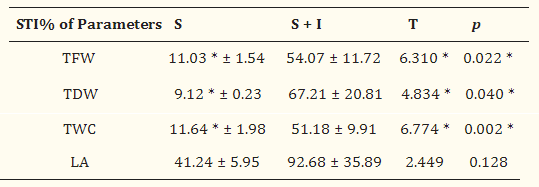
Salinity stress significantly decreased leaf area, root fresh and dry weights, in addition to root water content by (59.14, 95.87, 96.30, and 95.66%, respectively) compared to control, but the inoculating the soil of salt-stressed eggplants showed a significant increase in leaf area (LA), total fresh weight (TFW), total dry weight (TDW), and total water content(TWC) as shown below.

The gene expression of photosystem II D2, glutathione reductase, and glutathione S transferase was upregulated in inoculated salt-stressed eggplants with respect to stressed ones, that of protease I and protease II (cell-wall degrading enzymes to suppress pathogen growth) was also upregulated in inoculated salt-stressed eggplants with respect to stressed ones, and that of lipase was downregulated conversely in inoculated salt-stressed eggplants with respect to stressed ones.
These changes suggest that defense mechanism related genes are upregulated in inoculated eggplants.

An ACE2-Fc fusion protein could be a good therapeutic drug overcoming viral escape of SARS-CoV-2 variants

A group from SystImmune Inc., 15318 NE 95th St., Redmond, WA, 98052, USA, etc. has reported that ACE2-Fc fusion protein could be a good therapeutic drug overcoming viral escape of SARS-CoV-2 variants.
https://www.ncbi.nlm.nih.gov/pmc/articles/PMC8882475/

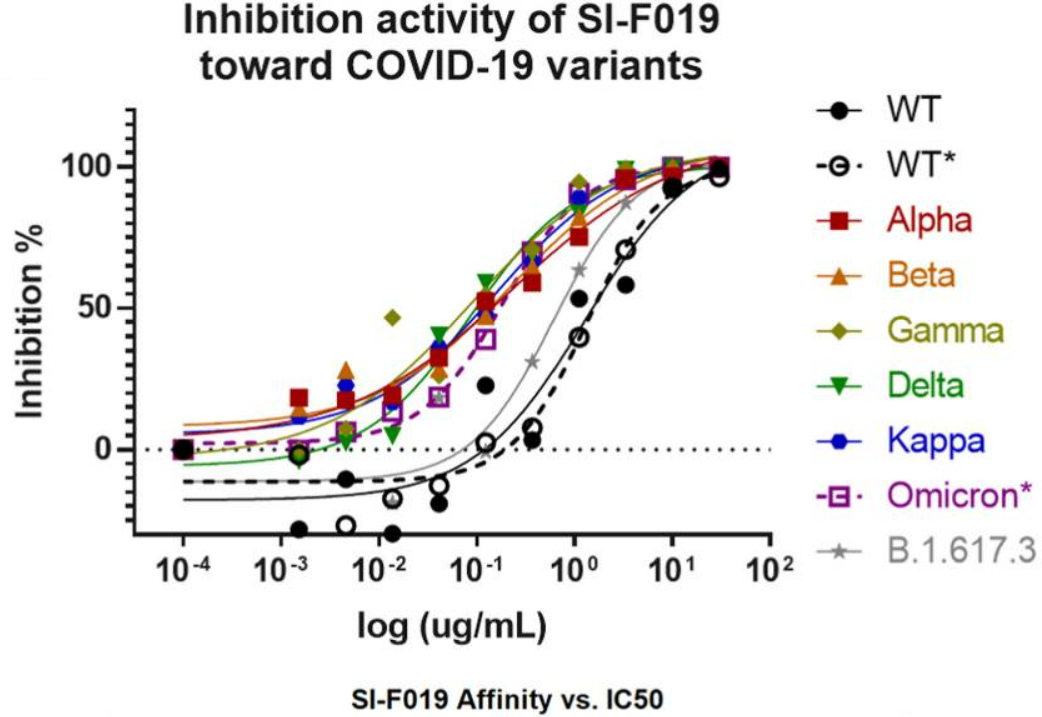
Interestingly, the pseudovirus neutralization data using the ACE2-Fc fusion protein named SI-F09 (shown below) shows that the higher the binding strength between SARS-CoV-2 RBD and ACE2, the lower the IC50 values. In other words, the IC50 value for WT is the highest among SARS-CoV-2 variants imcruding Omicron.

In the meantime, a phase I clinical trial evaluating safety of SI–F019 in healthy patients has been conducted (ClinicalTrials.gov Identifier: NCT04851444) and is being analyzed in preparation for future clinical studies.

Pentosan polysulfate (PPS), Mucopolysaccharide polysulfate (MPS) could be potential antiviral drugs against SARS-CoV-2

A group from Department of Chemical and Biological Engineering, Center for Biotechnology and Interdisciplinary Studies, Rensselaer Polytechnic Institute, Troy, NY 12180, USA, etc. has reported that sulfated glycans and highly negatively charged compounds could show strong antiviral activities against SARS-CoV-2.
https://www.ncbi.nlm.nih.gov/pmc/articles/PMC8875565/

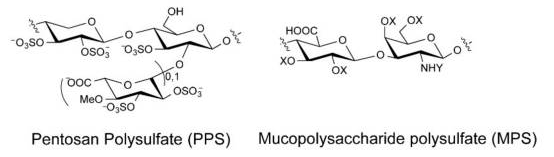
It was know that many sulfated glycans, such as heparin, fucoidans, and rhamnan sulfate show anti-SARS-CoV-2 activities. In this study, a small library of sulfated glycans and highly negatively charged compounds, including pentosan polysulfate (PPS), mucopolysaccharide polysulfate (MPS) were evaluated as antiviral sulfated glycans against SARS-CoV-2.

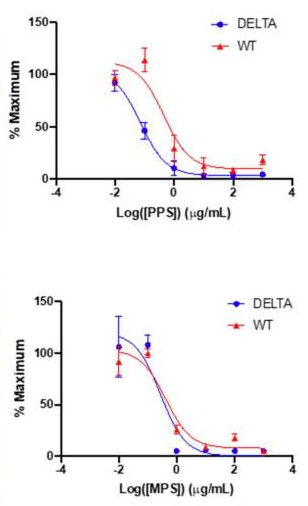
The neutralizing effect of PPS and MPS on SARS-CoV-2 pseudotyped virus in vitro were confirmed with neutralization assays. The IC50 values of PPS for the WT and Delta variant were 0.45 and 0.07 µg/mL, and the IC50 values of MPS for the WT and Delta variant were 0.42 and 0.28 µg/mL, respectively (see below). These results suggest the potential use of PPS and MPS as therapeutic and/or preventative antiviral drugs.

The combined application of Bacillus spp. inoculant and sucrose can improve the growth and quality of Rheum palmatum

A group from Gansu Gaolan Field Scientific Observation and Research Station for Agricultural Ecosystem, Northwest Institute of Eco-Environment and Resources, Chinese Academy of Sciences, Lanzhou 730000, China, etc. has reported that the combined application of a bacterial inoculant and sucrose can improve the growth and quality of Rheum palmatum suppressing pathogen Fusarium spp.
https://www.ncbi.nlm.nih.gov/pmc/articles/PMC8835959/

There are many bacterial and fungal species that can function as (plant growth-promoting microbes) PGPM, of which Bacillus members are well-described in the literature for successfully promoting plant growth in diverse ways. Bacillus isolates colonize host plant roots and promote plant growth by producing bio compounds, such as the hormone indole-3-acetic acid (IAA), as well as spermidine and 2,3-butanediol, by defending against pests and pathogens by producing antibiotic substances such as hydrogen cyanide (HCN), chitinase, and siderophores.

In general, soil is usually a carbon-limited state, and less than 5% of total bacteria are in an active state under such conditions. Carbon sources, especially the most common sucrose, could impact bacteria as a direct energy source for growth. So, in this work, it was evaluated how Baillus spp. respond to the small molecular carbon addition such as sucrose and their co-effects on the rhizosphere microecology.

The combinations of three concentrations of Bacillus amyloliquefaciens EZ99 inoculant (1.0 × 10⁵, 1.0 × 10⁶, and 1.0 × 10⁷ colony-forming units (CFU)/mL, denoted as LB, MB, and HB, respectively) and with three sucrose concentrations (0.15, 1.5, and 15 g/L, denoted as LS, MS, and HS, respectively) were evaluated on R. palmatum growth and yield.

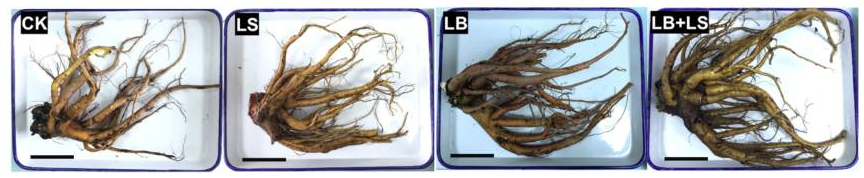
Although the HB treatment increased the growth of R. palmatum (plant length, crown weight, leaf length, and leaf weight) comparing with control (CK), it decreased the growth when coupled with sucrose, especially under the highest concentration of sucrose (HS). This indicates that a high level of bacterial inoculant (1.0 × 10⁷ CFU/mL) amended with a high level of sucrose (15 g/L) suppressed the plant growth-promoting function of PGPM. And, further, the fresh weight of R. palmatum roots were the most significantly improved under the LB + LS and LB + MS treatments (see below)
Typical differences observed in the comparisons are as follows:

  • Eight kinds of anthraquinones, the major constituents of rhubarb, were differentially identified in the comparisons. The LB + LS group accumulated the highest level of aurantio-obtusin-6-O-glucoside and torachrysone-8-O-glucoside, but reduced levels of torachrysone and laccaic acid D, while the rhubarbs under the LB treatment accumulated only 2-acetoxymethyl-anthraquinone.
  • The co-effects of PGPM and sucrose in the LB + LS treatment did not lead to a significant net difference in the total contents of soil nutrients, but they significantly increased the contents of total potassium which could mediate the bioavailability of potassium and nutrients’ cycling in the soil.
  • As for rhizobacteria community, sucrose addition had little impact on bacterial community structure in LS soil, yet it modulated the diversity induced by the PGPM addition in LB + LS soil.
  • As for fungal community, the Ascomycota and Mortierellomycota were the two most abundant phyla, together accounting for more than 92.5% of the relative abundance of the total fungal sequences. The most abundant phylum Ascomycota was enriched the most in CK (79.1%), and diminished the most in LB + LS (71.6%) treatment. At the genus level, compared with CK, the first dominant genus Fusarium was decreased, whereas the second dominant genus Mortierella was increased in all treatments, with the highest increase recorded in the LB + LS treatment.
The most effective inoculation method of plant-growth-promoting bacteria: different between Gran-positive bacteria and Gram-negative bacteria

A group of Department of Agronomy and Horticulture and Center for Plant Science Innovation, University of Nebraska – Lincoln, Lincoln, NE, USA, etc. has reported about optimal inoculation methods of plant growth-promoting bacteria.
https://www.ncbi.nlm.nih.gov/pmc/articles/PMC8826558/

The inoculation method of plant growth-promoting bacteria is an important factor that can affect the colonization of the inoculant in the host plant rhizosphere and impact its downstream effect on plant growth. Seed inoculation is the most widely used on a commercial scale since it is suited to agricultural production and requires less inoculant than the other two under field conditions. To enhance the survival of the bacteria coated on the seeds, a carrier such as peat slurry or a film coat consisting of alginate polymers are often mixed with bacteria during the coating process as a layer protecting inoculants from environmental stresses such as desiccation and temperature perturbations. Soil drench or in-furrow inoculation, on the other hand, is performed by applying the inoculants in soil before or after planting. It has several advantages over seed inoculation as it prevents the inoculants from being inhibited by the chemicals coated on seeds and can be used to deliver inoculants at higher density without being constrained by seed size. Foliar spray and root dipping are two of the most commonly used methods for plant inoculation.

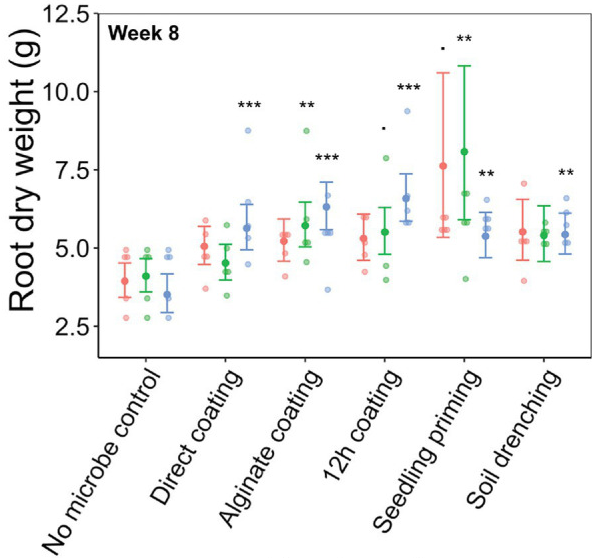
In this report, several inoculation methods ”i.e, seedling priming, soil drench, and three seed coating methods (direct seed coating, alginate seed coating, and 12-h coating)” were compared for their efficacy of delivering three different bacterial strains to sorghum under sterile and field conditions.

Three bacteria isolated from field-grown sorghum were used in this study, with Chitinophaga pinensis (Gram-negative) originating from the root endosphere while Caulobacter rhizosphaerae (Gram-negative) and Terrabacter sp. (Gram-positive) were from the soil.

Under Sterile Greenhouse Conditions:
Greater root growth-promotion was detected when inoculating C. rhizosphaerae and C. pinensis with the seedling priming compared to other inoculation methods. In fact, root growth-promotion from C. rhizosphaerae was only detectable with seedling priming despite this effect being marginally significant. For C. pinensis, significant root growth-promotion was also observed with alginate coating and marginally significant for 12 h coating. No significant root growth-promotion was measured when inoculating C. rhizosphaerae and C. pinensis with soil drench method. Among the three bacteria used, only C. pinensis and Terrabacter sp. exhibited significant shoot growth enhancement. Significant shoot growth-promotion from C. pinensis was measured when inoculated with seedling priming, alginate, and 12 h coating methods. Significant shoot growth-promotion was also observed when Terrabacter sp. was inoculated with the same seed coating methods but not the seedling priming.

Under Field Condition:
Two inoculation methods suitable for field planting, alginate and 12 h coating, were tested under field condition. C. rhizosphaerae and C. pinensis were detected in the rhizosphere up to 12 weeks after inoculation in the field, DNA copy numbers in the rhizosphere of the inoculated plants were lower as compared to that of the greenhouse experiment and not significantly different from the uninoculated control, and Terrabacter sp. was not detected in either of the sampling timepoints. This may have been because the bacterial isolate concentration used to coat the seeds (103–104 CFU per seed) was too low to facilitate their establishment in sorghum rhizosphere under non-sterile conditions where there is competition from the natural microbial communities.

Simply coating seeds with a bacterial suspension was suitable for the inoculation and successful colonization of Gram-positive bacteria in the greenhouse, whereas the field results were inconclusive. For Gram-negative bacteria direct inoculation using seedling priming led to higher colonization efficiency than seed coating.

C-Mannosyl tryptophan (CMW) could be a Good in vitro diagnostic marker for Ovarian cancer

A group from Department of Obstetrics and Gynecology, Wakayama Medical University, Wakayama 641-0012, Japan, etc. has reported on diagnostic application of C-mannosyl Tryptophan.
https://www.ncbi.nlm.nih.gov/pmc/articles/PMC6924205/

C-Mannosyl tryptophan (CMW) is a glycosylated amino acid first isolated from human urine with a unique glycan structure in which an α-mannose is bound to the indole C2 carbon of a Trp residue through a C-C linkage. CMW was also identified in human ribonuclease 2 (RNase2) as a post-translational modification.

In medical field, it was first reported that blood CMW is elevated in patients with renal dysfunction, including renal diseases associated with type 2 diabetes. In cancer biology, it was recently reported that C-mannosylation of R-spondin 2 activates Wnt/β-catenin signaling and migration activity in various human tumor cells. This study suggested that C-mannosylation of R-spondin 2 is involved in the promotion of cancer progression. Furthermore, spondin 2 (mindin), a substrate protein for C-mannosylation, is increased in the blood of ovarian cancer patients. These studies suggest that protein C-mannosylation and CMW may be involved in the pathophysiological processes of cancer progression.

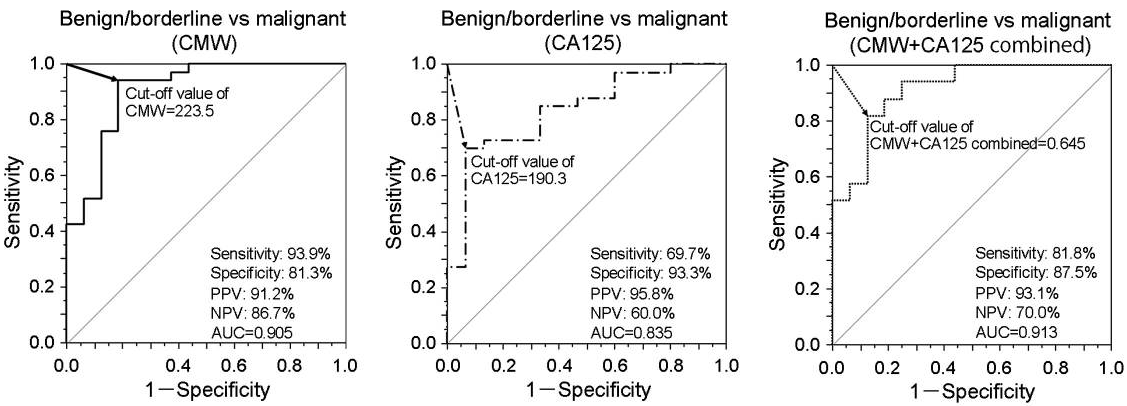
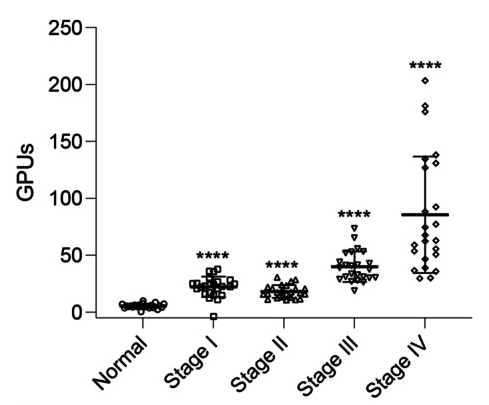
Plasma CMW in ovarian cancer was significantly higher in the malignant tumor group than in the borderline and benign tumor groups compared with healthy controls. Receiver operating characteristic curve analysis of plasma CMW distinguished malignant tumors from borderline/benign tumors (AUC=0.905). Discrimination performance was greater than that of conventional cancer antigen CA125 (AUC=0.835), and CMW + CA125 combined achieved even greater discrimination (AUC=0.913, 81.8% sensitivity, 87.5% specificity).

CMW in biological samples was analyzed and quantified by chromatographic assay. The samples were injected into an UPLC system, and CMW was quantified by measuring the fluorescence (excitation at 285 nm/emission at 350 nm).

Biocontrol activity of nonpathogenic Fusarium oxysporum strains against pathogenic Fusarium wild type strains

A group from National Agriculture and Food Research Organization, Tsu, Japan, etc. has reported on biocontrol activity of nonpathogenic Fusarium oxysporum strains against pathogenic Fusarium wild type strains.
https://www.ncbi.nlm.nih.gov/pmc/articles/PMC8828976/

The idea of using nonpathogenic F. oxysporum to control Fusarium diseases came from studies of soils naturally suppressive to Fusarium wilt disease.

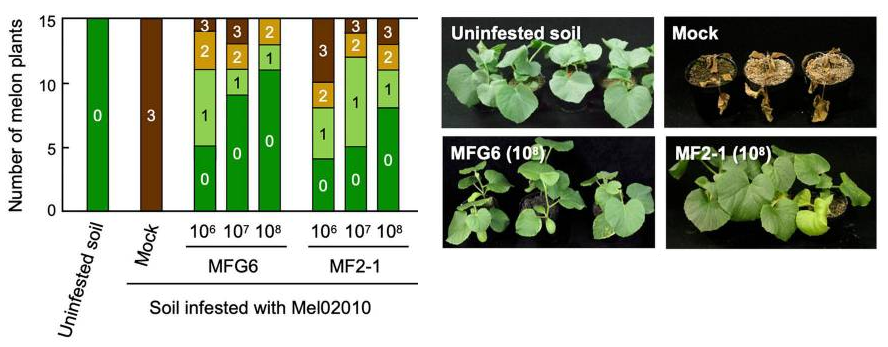
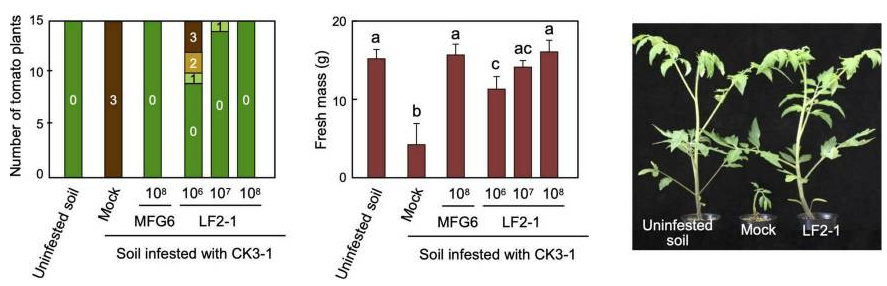
In this report, the following strains were used to demonstrate biocontrol activities of nonpathogenic mutants of F. oxysporum against pathogenic fusarium wild types.
Pathogenic Fusarium wild type strains: F. oxysporum f. sp. melonis strain Mel020120, and F. oxysporum f. sp. lycopersici strain CK3-1
Nonpathogenic Fusarium strains: F. oxysporum strain MFG6, ΔFOW2 Mel02010 MF2-1, and ΔFOW2 CK3-1 LF2-1

As shown below, biocontrol Activities of nonpathogenic Fusarium strains against the pathogenic F. oxysporum wild type strains were clearly demonstrated.

Pre-inoculation of roots with the nonpathogenic strains are quite effective. Actually, it was shown separately that conidial germination and hyphal elongation of the pathogenic fusarium wild-type strain were markedly inhibited on the root surface pre-inoculated with the nonpathogenic strains.

Powered by WordPress |Copyright © 2020 Emukk. All rights reserved