blog

There are Correlations between host genetic variation and microbiota abundance

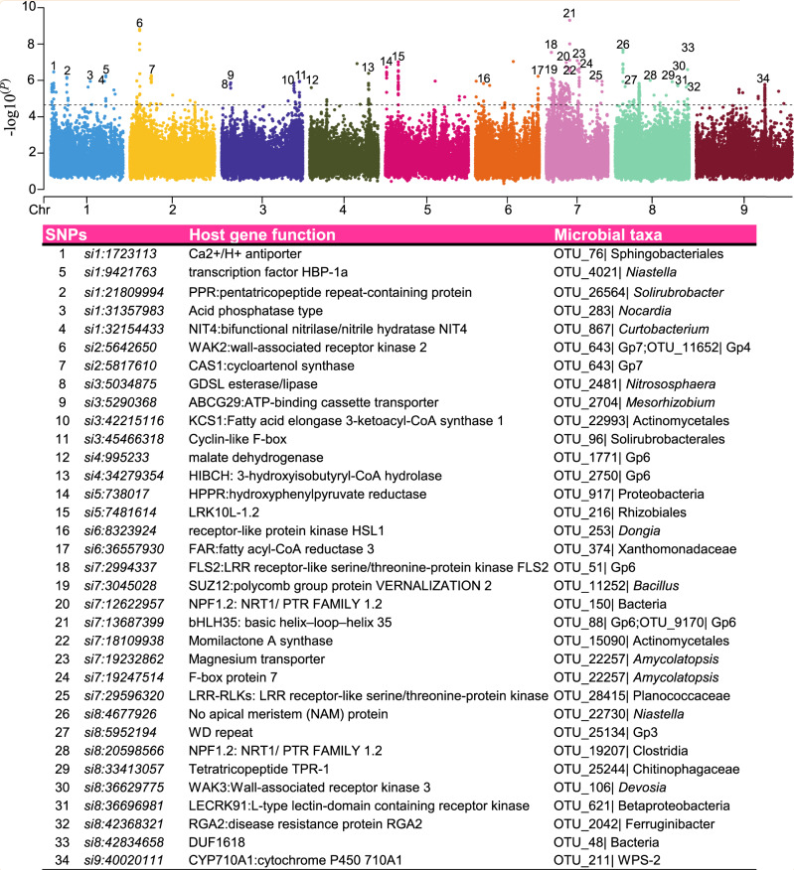
A group from State Key Laboratory of Agricultural Genomics, BGI-Shenzhen, Shenzhen, China, etc. has reported about numerous potential genes associated with the root microbiota formation, which were identified by microbiome genome-wide association studies (mGWAS) based on 827 foxtail millet cultivars in a single environment.
https://www.ncbi.nlm.nih.gov/pmc/articles/PMC9546826/

A total of 644 taxonomically different bacterial strains from root microbiota of foxtail millet were collected, and 257 bacterial isolates were retained. From these isolates, representative cultivated strains of six positive marker OTUs and four negative marker OTUs with top beta estimation in the regression model were selected for the plant growth validation experiments.

where, Positive marker OTUs were (Acidovorax OTU_46, Bacillaceae OTU_22228, Kitasatospora OTU_8, Bacillus OTU_19414, Bacillus OTU_25704 and Bacillales OTU_381), and negative marker OTUs were (Shinella OTU_37, Bacillus OTU_54, Bacillaceae OTU_19835 and Bacillaceae OTU_28133).

These 10 biomarker strains were co-cultivated with foxtail millet Huagu12 (a bred cultivar of foxtail millet (Setaria italica) for 7-days in sterilized plates, and observed altered root lengths and plant heights compared with the control. The positive biomarker strains representing OTUs with top beta estimation showed significant growth-promoting abilities. Specifically, positive biomarker strain  (Kitasatospora OTU_8) promoted both root and stem growth, whereas  (Bacillus OTU_22228) and  (Acidovorax OTU_46) only promoted shoot growth compared to the control. The negative marker strain (Bacillaceae OTU_19835) and (Bacillaceae OTU_28133) suppressed the shoot and root growth of Huagu12.

Through this study, it would be quite interesting to know that there are correlations between host genetic variation and microbiota abundance, indicating that microbiota changes with plant genotypes.
New Plant Breeding: Utilizing SynCom (Formula of Core Species in Rhizospheric Microbiota)

A turning point is approaching for classical breeding methods. One of the major trends is a breeding method using genome editing, which can change only a specific target DNA sequence. As a result, the time required for breeding can be significantly shortened compared to conventional methods. But a bigger wave is also approaching. It is the idea of ​​actively using rhizospheric microorganisms to improve plant traits. The great advantage of this method is that the plants retain their original genotype and do not require specific safety assessments compared to transgenic or genome-edited products.

I have already written a number of  blogs about the symbiotic relationship between rhizobacteria and plants (in other words, it means there are many papers published), and I would not like to emphasize its importance again here. However, I would like to emphasize in this blog that the term SynCom is beginning to be used as a methodology. Through the analysis of accumulated data on the overall composition of rhizosphere microbiota, SynCom is a formula of “a few selected core species” that are most likely to significantly influence the structure of the rhizosphere microbiota.

The efficacy of SynCom applications in real agriculture has been evaluated, but often appears to be inconsistent. The main reason for this failure is because the plant-associated rhizosphere microbes can not exert their beneficial effects as expected. To solve this problem, we must consider the host plant genotype and root secretion from it, the compatibility of the bacterial species with the environment, and the spatial competition with native soil bacteria. SynCom’s ecological interaction with naturally occurring bacterial community is likely to be one of the most important aspects that must be considered seriously when applying SynComs in a real environment. Furthermore, in order to establish SynCom in the rhizosphere and expand its territory, it may be possible to apply biostimulants designed for the SynCom.

Microbiome sensors (MBS) and biostimulants should become more and more hot topics in the near future.

Ref.)  https://www.cell.com/trends/plant-science/fulltext/S1360-1385(22)00156-X

Examples of existing Biostimulants

Biostimulants are new technologies that reduce plant damage caused by climate and soil conditions and increase plant yields. In particular, effects such as suppression of pathogenic bacteria by regulation of rhizospheric microbiome, secretion of plant growth hormone, and solubilization of plant nutrients in soil are attracting attention.
https://www.japanbsa.com/biostimulant/definition_and_significance.html

In this respect, there are already several products on the market. I would like to introduce some of them.
Rice Toreru (called KODA, contains α-linolenic acid collected from duckweed that grows in paddy fields, and exhibits a plant growth-regulating effect)
Dr. Kinkon (Contains arbuscular mycorrhizal fungi and promotes symbiotic effects with plants)
Dr. Actinomycetes (Contains actinomycetes, Gram-positive bacteria, suppressing pathogenic bacteria)
Trichodesoyl (contains the ascomycete Trichoderma and inhibits pathogenic bacteria)
Chitin (N-GlcNAc activates plant immunity and serves as food for actinomycetes)

AgroHolobiont is developing novel microbiome sensors (MBS) to improve the effects of these existing biostimulants, as well as developing new biostimulants.
Activities of AgroHolobiont

Glycobiologist, Prof. Caroline Bertozzi, Stanford Univ. has won the 2022 Nobel Prize in Chemistry

In June 2021, I blogged about an unbelievable paper published by Prof. Caroline Bertozzi, Stanford University, et. al., that RNA is glycosylated.
small noncoding RNA is glycosylated

She has won the 2022 Nobel Prize in Chemistry.
The content of the award is not glycobiology itself, but the research on the biosynthesis of sialic acid led to the development of bio-orthogonal chemistry.

By the way, Caroline talks about sialic acid modification on cancer cell surface and immunity in an easy-to-understand manner. Please for your reference!
Sialylation of cancer cell surface and immunity: TED Youtube

Effects of N-Glycosylation in FcγRIIIa interaction with IgG

A group from Copenhagen Center for Glycomics, Department of Cellular and Molecular Medicine, Faculty of Health Sciences, University of Copenhagen, Denmark, etc. has reported about the effects of N-Glycosylation in FcγRIIIa interaction with IgG.
https://www.ncbi.nlm.nih.gov/pmc/articles/PMC9524020/

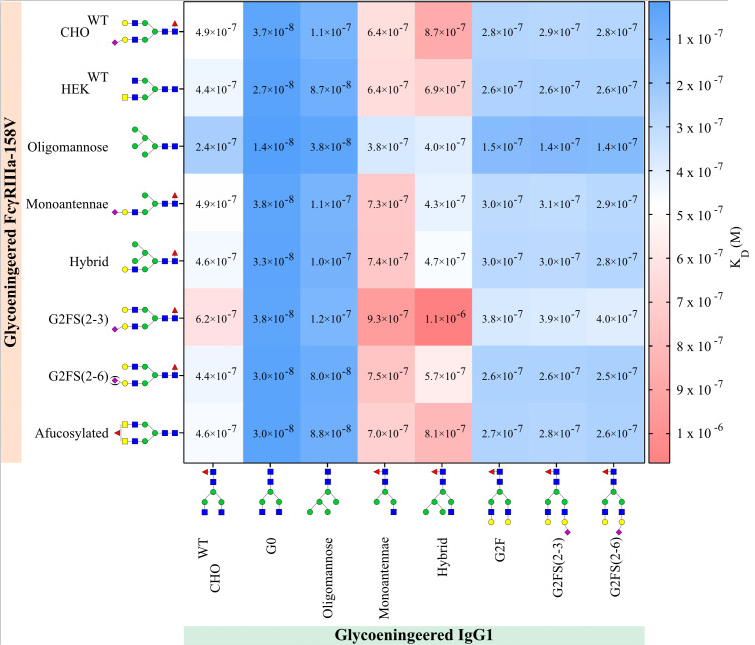
The FcγRIIIa receptor is an activating IgG receptor, mainly expressed on NK cells, macrophages, and monocytes. In this work, the effects of N-glycosylation of FcγRIIa onto affinity between FcγRIIIa and IgG1.

The highest affinity of all FcγRIIIa receptors was observed to afucosylated IgG, both IgG1-G0 and the IgG1-Oligomannose, as is expected.
Interestingly, the N-glycosylation state of the FcγRIIIa had minimal effect on the binding affinity when probed with afucosylated IgG, except for oligomannosylated FcγRIIIa where binding affinity is increased by a factor of two.
The highest KD, i.e., lowest affinity, was seen for IgG1-Hybrid and IgG1-Monoantennae to all FcγRIIIa.
On the other hand, the lowest KD, i.e., highest affinity, was seen for afucosylated IgG1 and oligomannosylated FcγRIIIa.

Continuous cropping of Sugar beet changed rhizospheric fungi significantly than non-cropping

A group from National Sugar Crop Improvement Centre, Heilongjiang University, Harbin, China, etc. has reported about difference of rhizosphere between continuous and non-continuous cropping groups of sugar beet rhizosphere.
https://www.ncbi.nlm.nih.gov/pmc/articles/PMC9490479/

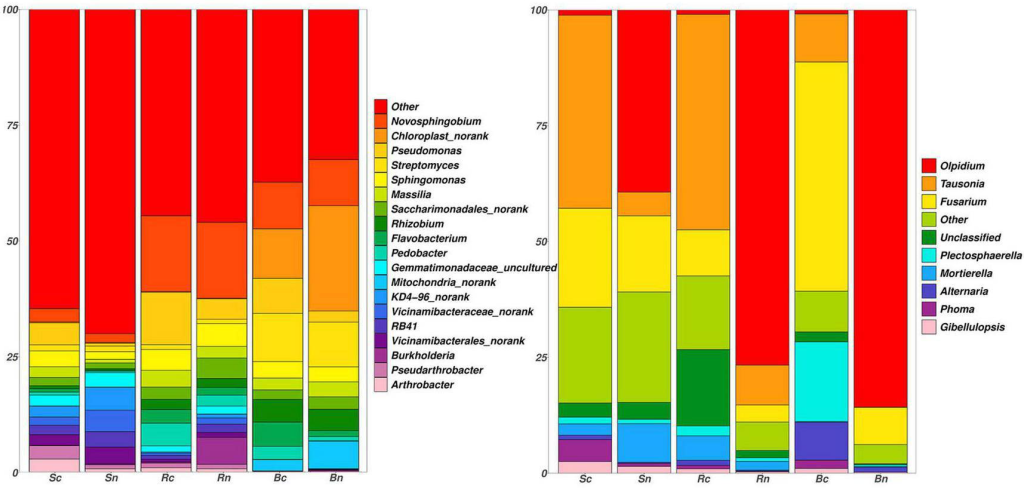
There were significant differences in fungal community composition between continuous and non-continuous cropping groups of sugar beet rhizosphere.
Compared with non-continuous cropping, continuous cropping increased the relative abundance of potentially pathogenic fungi such as Tausonia, Gilbellulopsis, and Fusarium, but decreased the relative abundance of Olpidium.


Left figure=rhizospheric bacteria, Right figure=rhizospheric fungi
where, Sc, continuous cropping bulk soil; Sn, non-continuous cropping bulk soil; Rc, continuous cropping rhizosphere soil; Rn, non-continuous cropping rhizosphere soil; Bc, continuous cropping sugar beetroot; Bn, non-continuous cropping sugar beetroot.

OsRMC binding to CBM1 of a blast fungal xylanase blocks access to cellulose and inhibits infection of pathogenic fungi

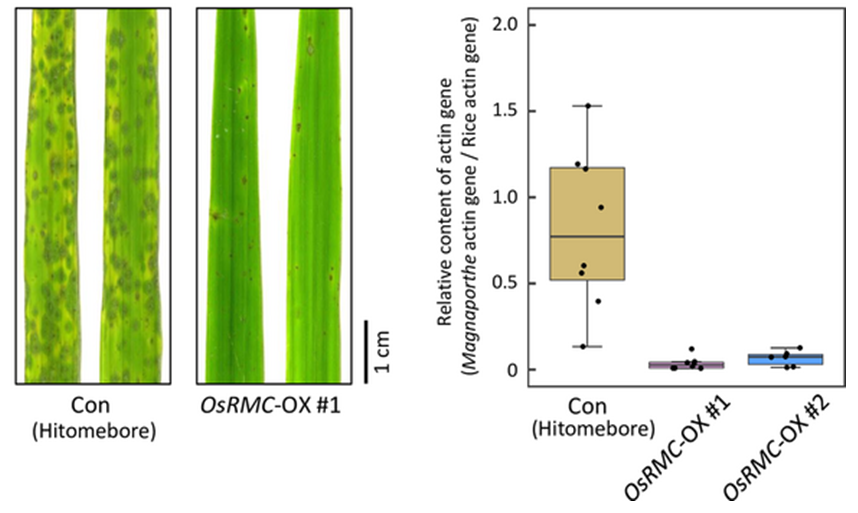
A group from Iwate Biotechnology Research Center, Kitakami, Iwate, Japan, etc. has reported that OsRMC binding to CBM1 of a blast fungal xylanase blocks access to cellulose, resulting in the inhibition of xylanase enzymatic activity.
https://journals.plos.org/plospathogens/article?id=10.1371/journal.ppat.1010792

The plant apoplastic space is filled with the primary cell wall, mainly composed of the polysaccharides cellulose, hemicellulose, and pectin. Hemicellulosic polysaccharides play an important role in controlling the physical properties of the cell wall. Xyloglucan in dicotyledonous and xylan in monocotyledonous plants are the major hemicellulosic polysaccharides by quantity and strengthen the cell wall by forming cross-bridges between cellulose microfibrils. A cell wall composed of heteropolysaccharides also provides a physical barrier against plant pathogen invasion.

Plant pathogenic fungi secrete a battery of cell wall-degrading enzymes (CWDEs) that catalyze hydrolytic and oxidative degradation of plant cell wall polysaccharides, assisting fungal penetration and colonization.

Plants have evolved various activity-inhibiting proteins as a defense against fungal cell wall-degrading enzymes (CWDEs), but how plants counteract the function of fungal enzymes containing carbohydrate binding modules (CBMs) remains unknown. Here, it was demonstrated that OsRMC, a CBM1-interacting protein (CBMIP) of rice (Oryza sativa), binding to CBM1 of a blast fungal xylanase blocks access to cellulose, resulting in the inhibition of xylanase enzymatic activity. Where, OsRMC is a member of the Cysteine-rich repeat secretion proteins (CRRSPs) containing two DUF26, and binds mannose as well as CBM1.


(LEFT)Rice leaves of wild-type (Hitomebore) control (Con) and OsRMC-overexpressing (OsRMC-OX) lines 4 days after inoculation of M. oryzae inoculation.
(RIGHT)The amount of M. oryzae fungal mass in rice leaf was monitored by quantifying the ratio of M. oryzae genomic DNA to rice genomic DNA obtained by PCR.

Effects of nitrogen fertilization onto powdery mildew and damping-off disease infestation in winter wheat

A group from Department of Nutritional Crop Physiology, Institute of Crop Science, University of Hohenheim, Stuttgart, Germany, etc. has reported about effects of nitrogen fertilization onto Blumeria graminis f. sp. tritici (Bgt) and Gaeumannomyces graminis f. sp. tritici (Ggt) infestation.
https://www.ncbi.nlm.nih.gov/pmc/articles/PMC9500508/

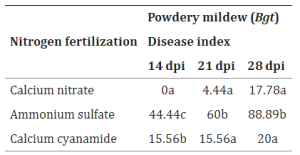
In this study, the role of nitrogen sources, including nitrate, ammonium, and cyanamide, on Bgt and Ggt infestation in winter wheat was investigated, to gain insights into the plant’s physical and biochemical mechanisms mediated by the interaction between nitrogen source and pathogen characterizing rhizo bacterial and fungal flora using next-generation sequencing.

Wheat inoculated with the foliar pathogen Bgt was comparatively up to 80% less infested when fertilized with nitrate or cyanamide than with ammonium.

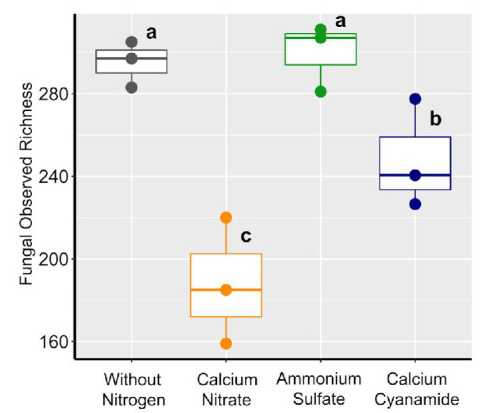
Bacterial richness ranged from 720 to 969 ASVs and it did not differ among the four fertilization N treatments. Likewise, bacterial community structure was not affected by N application and N form. However, fungal richness ranged from 161 to 312 ASVs and it was higher in soil without any fertilization and in the ammonium treatment, while the soil amended with nitrate showed the lowest value in richness.

Fucoidan-based combination chemotherapy is effective for the treatment of docetaxel-resistant prostate cancer

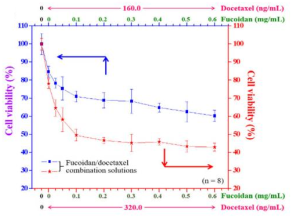
A group from Department of Anesthesiology, Show Chwan Memorial Hospital, Changhua 50008, Taiwan, etc. has reported that fucoidan-based combination chemotherapy may exert beneficial effects and facilitate the treatment of docetaxel-resistant prostate cancer (PCa).
https://www.ncbi.nlm.nih.gov/pmc/articles/PMC9500773/

The standard treatment for advanced PCa is androgen deprivation therapy (ADT). Although hormone-sensitive PCa is curable with ADT, most patients progress to castration-resistant prostate cancer (CRPCa) and metastatic CRPCa (mCRPCa). Front-line docetaxel treatment is administered to patients with CRPCa and mCRPCa to improve survival. Docetaxel is a chemotherapeutic agent belonging to the taxane class of drugs. Docetaxel-based chemotherapy has shown survival benefits and has emerged as the primary treatment for CRPCa. Nevertheless, docetaxel resistance after half a year of therapy has emerged as an urgent clinical concern in patients with CRPCa and mCRPCa.

Fucoidan, sourced from various matrices of brown seaweed, is primarily composed of a complex sulfated polysaccharide, shows anti-cancer effects, and binds to P-selectin.

In this study, it was demonstrated that the combination of Fucoidan/Docetaxel on docetaxel-resistant DU/DX50 cells shows a potent synergistic antiproliferative effect as shown below.

It was also observed that fucoidan reduced the migration and invasion of DU/DX50 cells. Since the protein levels of IL-1R, IKKα, NF-κB p50, and Cox2 were downregulated with an increased concentration of fucoidan, the observed attenuation of cancer cell migration, invasion, and cell viability would be due to the binding effect between fucoidan and P-selectin, resulting in the downregulation of the IL-1R signaling pathway, including reduced levels of NFκB p50 and Cox-2. It is known that IKKα and NF-κB p50 are involved in cancer cell proliferation and metastasis, and the activation of Cox2 promotes tumor growth and resistance to chemotherapy and radiotherapy.

Effects of synthetic microbial consortia derived from rhizosphere soil of wheat against a pathogen causing wheat root rot disease

A group from North Central Agriculture Research Laboratory, USDA-ARS, Brookings, SD, USA, etc. has reported about the effects of synthetic microbial consortia derived from rhizosphere soil of wheat against rhizoctonia solani AG8, a pathogen causing root rot disease.
https://www.ncbi.nlm.nih.gov/pmc/articles/PMC9473337/

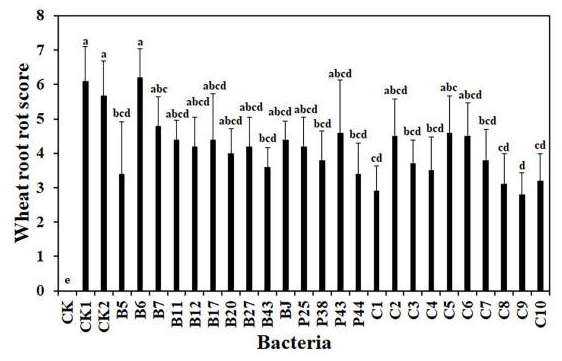
The effects of bacteria, including 14 single strains and 10 SynComs, on wheat root rot disease caused by R. solani AG8 were evaluated in soil in the greenhouse. After 3 weeks, compared with wheat growth in AG8 inoculated soil (CK1, CK2), wheat treated with some single bacterial strains and SynComs reduced root rot at different levels. Among them, wheat treated with single bacterial strains (Pseudomonas sp. B5, Rhodococcus erythropolis B43, Chryseobacterium soldanellicola P38, and Pedobacter sp. P44) and SynComs (C1, C3, C4, C7, C8, C9, and C10) significantly reduced wheat root rot score, compared with the controls (CK1 and CK2) in AG8 inoculated soil. Further, the fresh root weight of wheat treated with single bacterial strains (Pseudomonas spp. B5 and B11, and Chryseobacterium sp. B7) and SynComs (C1, C4, C7, C8, C9, and C10) were greater than those of the controls in AG8 inoculated soil.

SynCom 1(C1): Pseudomonas sp. B5, Pseudomonas sp. B11, Pseudomonas sp. B12, Pseudomonas sp. P25
SynCom 2(C2): Chryseobacterium sp. B7, Chryseobacterium soldanellicola P38, Chryseobacterium sp. P43
SynCom 3(C3): Sphingomonas sp. B17, Cupriavidus campinensis B20, Asticcacaulis sp. B27, Rhodococcus erythropolis B43
SynCom 4(C4): Cupriavidus campinensis B20, Asticcacaulis sp. B27, Rhodococcus erythropolis B43, Chryseobacterium soldanellicola P38
SynCom 5(C5): Cupriavidus campinensis B20, Rhodococcus erythropolis B43, Janthinobacterium lividum BJ, Chryseobacterium soldanellicola P38
SynCom 6(C6): Streptomyces sp. B6, Chryseobacterium sp. B7, Pseudomonas sp. B12, Sphingomonas sp. B17
SynCom 7(C7): Pseudomonas sp. B5, Streptomyces sp. B6, Chryseobacterium sp. B7, Pseudomonas sp. B11
SynCom 8(C8): Pseudomonas sp. B12, Sphingomonas sp. B17, Cupriavidus campinensis B20, Asticcacaulis sp. B27
SynCom 9(C9): Pseudomonas sp. B12, Rhodococcus erythropolis B43, Janthinobacterium lividum BJ, Pedobacter sp. P44
SynCom 10(C10): All 14 bacterial strains

Powered by WordPress |Copyright © 2020 Emukk. All rights reserved