n-hexadecanoic acid secreted by tomato roots most strongly promotes biofilm formation of Pseudomonas stutzeri

A group from School of Biotechnology and Pharmaceutical Engineering, Nanjing Tech University, Nanjing, China, etc. has reported that n-hexadecanoic acid secreted by tomato roots most strongly promotes biofilm formation of Pseudomonas stutzeri.
https://www.ncbi.nlm.nih.gov/pmc/articles/PMC10220591/

Plant growth-promoting rhizobacteria (PGPR) have been widely used in agricultural applications because of their safety, biological control of diseases and insect pests, and ability to induce c abiotic tolerance. It is know that the colonization, chemotaxis, and biofilm formation by PGPR are induced by the root exudates and certain metabolites.

In this study, it was shown that inoculation with a certain concentration of Pseudomonas stutzeri NRCB010 significantly promoted tomato growth and induced significant changes in tomato root exudates. Among those root exudates, n-hexadecanoic acid induced the most remarkable growth, chemotactic response, biofilm formation, and rhizosphere colonization of Pseudomonas stutzeri.
Terminal fucosylation of haptoglobin in cancer-derived exosomes could be a good biomarker for cholangiocarcinoma

A group from Department of Life Sciences, Pohang University of Science and Technology (POSTECH), Pohang, Gyeongbuk, Republic of Korea, etc. has reported that terminal fucosylation of haptoglobin (Hp) in cancer-derived exosomes could be a good biomarker for cholangiocarcinoma (CCA).
https://www.frontiersin.org/articles/10.3389/fonc.2023.1183442/full

Tumor glycosylation has been proposed as potential cancer biomarkers. Many studies have focused on characterizing the aberrant glycosylation of secreted molecules circulating the blood in their soluble form. In this study, it was shown that terminal fucosylation of membrane-bound components correlated with extracellular vesicles (EVs) correlates with CCA.

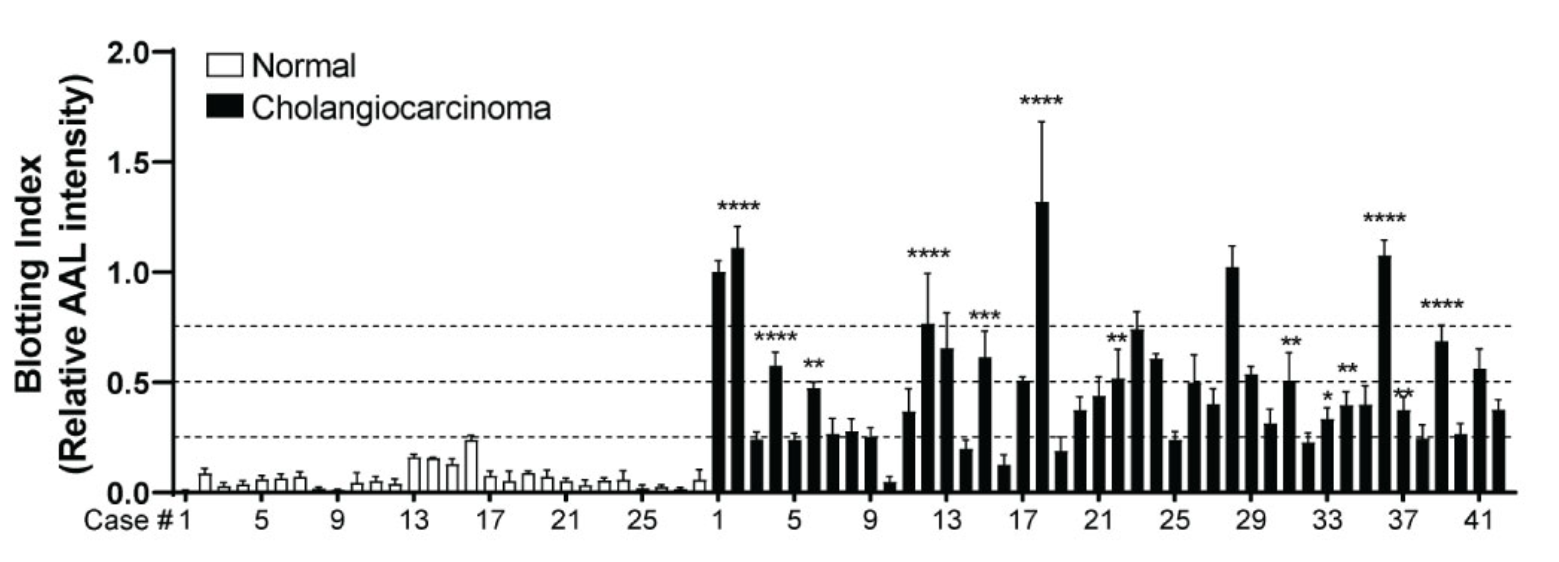
Glycomic analysis revealed that CCA-EV contained more α1-3/4 fucosylated glycans (terminal fucosylation) than normal EVs. Notably however, α1-6 fucose (core fucosylation) was comparable between samples. As a result, it was shown that the α1-3/4 fucosylation of β-Hp in cancer-derived EV can be used as biomarkers for early diagnosis of CCA as well as for the prediction of recurrence after surgery. And further, it was also shown that fucosylated EVs derived from CCA contribute to tumor progression.


Diagnostic and prognostic value of EV-Hp fucosylation in CCA.

Comparison of skin bacteria between Psoriasis Patients and Healthy people

A group from Biotechnology Department, College of Science, University of Baghdad, Baghdad, Iraq, etc. has reported about comparison of skin bacteria between Psoriasis Patients and Healthy people.
https://www.ncbi.nlm.nih.gov/pmc/articles/PMC10133631/

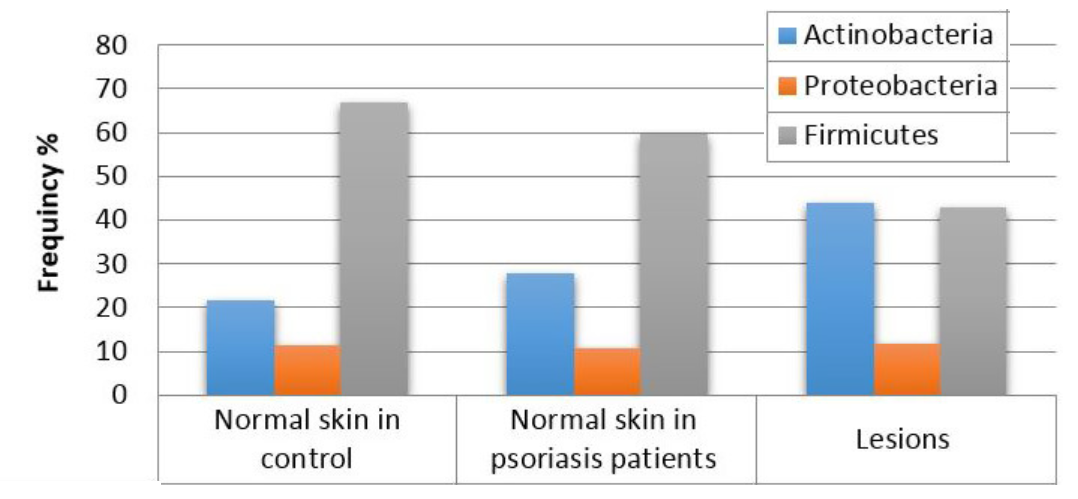
At the phylum level, there was a significant increase in Actinobacteria in lesional skin, a significant decrease in firmicutes in both normal skin and lesions in psoriasis patients compared to normal skin in controls, but no significant difference recorded in Proteobacteria between controls and patients. Moreover, this study shows that the dominant phyla in psoriatic skin were actinobacteria and firmicutes.

Which rhizospheric bacteria species from Shisham rhizosphere show the highest phosphate solubilizing capability

A group from School of Agriculture, Graphic Era Hill University, Bhimtal, India, etc. has reported about the most phosphate solubilizing bacterial candidates from Shisham rhizosphere.
https://www.ncbi.nlm.nih.gov/pmc/articles/PMC10147649/

As a result, bacterial strains as belonging to the genus Pseudomonas, Klebsiella, Streptomyces, Pantoea, Kitasatospora, Micrococcus, and Staphylococcus were scれscreened as potent phosphate solubilizing bacteria.
Among these, Pseudomonasu Aeruginoza sp. and Kelebseilla variicola sp. showed the most efficient P solubilizing capability.

Comparative functional genome analysis of plant beneficial bacteria in NCBI Databases

A group from State Key Laboratory of Pharmaceutical Biotechnology, School of Life Sciences, Nanjing University, Nanjing, China, etc. has reported about comparative functional genome analysis of plant growth-promoting bacteria (PGPB) in NCBI Databases.
https://journals.asm.org/doi/10.1128/spectrum.05007-22?url_ver=Z39.88-2003&rfr_id=ori:rid:crossref.org&rfr_dat=cr_pub%20%200pubmed

PGPB are a group of beneficial microorganisms that include 60 bacterial genera, such as Bacillus, Pseudomonas, and Burkholderia, which widely colonize plant leaves and soil, promote plant growth, and/or inhibit pathogen infection. PGPB colonize either leaves (leaf associated [LA]; 195 strains) or rhizospheric soil (soil associated [SA]; 283 strains).

The results of this study demonstrate that PGPB generally contain a large quantity of carbohydrate enzymes (CAZymes), which enhance their ability to colonize plants. Among the LA PGPB strains, Pseudomonas strains exhibited a higher abundance of CAZymes than other strains, indicating that this genus could be developed into an ideal interfoliar biocontrol agent. The CAZymes can break down the cell walls of plant pathogens, leading to pathogen death. Conversely, among the SA PGPB strains, Burkholderia strains possessed a higher concentration of genes encoding carbohydrate metabolism enzymes, suggesting that they have diverse mechanisms for carbohydrate utilization. The genera Bacillus and Paenibacillus, found in the LA and SA habitats, produced a higher number of secondary metabolite clusters, making them suitable for both leaf and soil environment. The greater the number of secondary metabolic gene clusters in bacteria, the stronger their ability to perform biological defense. The majority of Bacillus strains of PGPB possess more abundant secondary metabolic clusters than other taxonomic groups in the LA and SA habitats. Actually, Bacillus strains are dominant biocontrol agents in the market.

Proteoglycan link protein-1 (HAPLN1) would be a driver for peritoneal metastasis in Pancreatic ductal adenocarcinoma (PDAC) and could be a GOOD prognostic marker

A group from Division Vascular Signaling and Cancer, German Cancer Research Center (DKFZ), Heidelberg, Germany, etc. has reported that Proteoglycan link protein-1 (HAPLN1) would be a driver for peritoneal metastasis in Pancreatic ductal adenocarcinoma (PDAC) and could be a GOOD prognostic marker.
https://www.nature.com/articles/s41467-023-38064-w

Cellular plasticity is an important feature of tumore cells. Cellular plasticity is characterized by the ability of cells to convert between different (intermediate) cellular states by inducing epithelial-to-mesenchymal transition (EMT), as well as mesenchymal-to-epithelial transition (MET) and features of cancer cell stemness5. Such plasticity not only makes cancer cells more prone for invasion and adaption to the microenvironment, but also protects them from apoptosis, immune attack and chemotherapy.

A key regulator of metastasis is the microenvironment that tumor cells are facing during their journey to the metastatic site. The tumor microenvironment (TME) consists of several cellular and non-cellular components, including cancer-associated fibroblasts (CAFs), endothelial cells, immune cells and extracellular matrix (ECM). In PDAC, the TME is strongly desmoplastic, with substantial accumulation of ECM components. Hyaluronic Acid (HA), which is one major component of the ECM, facilitates tumor progression and metastasis through promoting partial EMT, invasion, immunomodulation and therapy resistance. CAFs are the main producers of ECM.

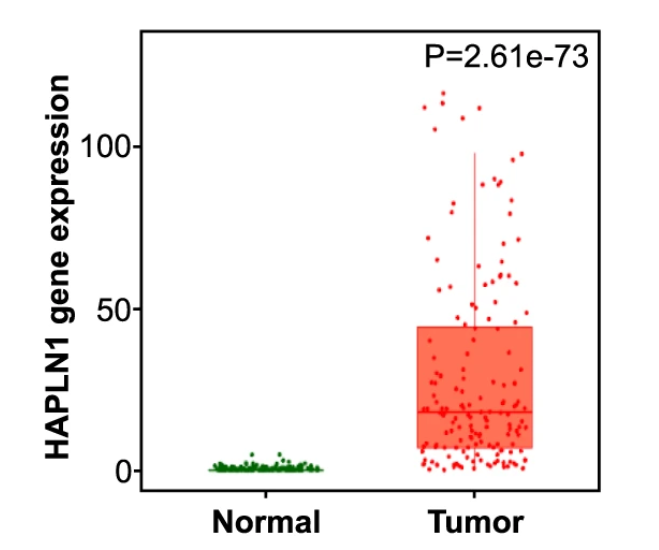
HAPLN1 is a HA and chondroitin sulfate proteoglycan (CSPG) crosslinker in the ECM, but its role has been so far poorly understood in cancer. In this study it was identified that HAPLN1 was the most upregulated genes in PDAC compared to adjacent tissue. It was thought that HAPLN1 could be defined as a mediator of peritoneal dissemination in PDAC, by inducing a highly plastic phenotype in cancer cells, which leads to a pro-tumoral metastatic niche.

Rhizosphere bacteriome associated with tobacco black shank disease and its biocontrol with Bacillus

A group from Key Laboratory of Microbial Resources Collection and Preservation, Ministry of Agriculture and Rural Affairs, Institute of Agricultural Resources and Regional Planning, Chinese Academy of Agricultural Sciences, Beijing, China, etc. has reported about rhizosphere bacteriome associated with tobacco black shank disease and its biocontrol with Bacillus velezensis S719.
https://www.ncbi.nlm.nih.gov/pmc/articles/PMC10108594/

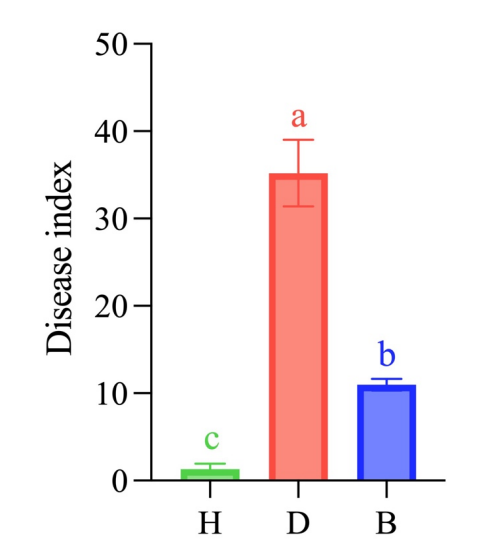
The tobacco rhizosphere soil samples obtained from the diseased field was regarded as the disease group (D group),
the samples obtained from the healthy control field were regarded as the healthy group (H group), which were 600 m away from the diseased field,
and the biocontrol group (B group) was defined as the diseased field treated with biocontrol agent consisting of Bacillus velezensis S719 after tobacco seedlings were transplanted.

The desease index was the owest in H groups and the highest in D groups as shown below. The effect of Bacillus innocuration was clearly obserbed in B groups comparing with D groups.

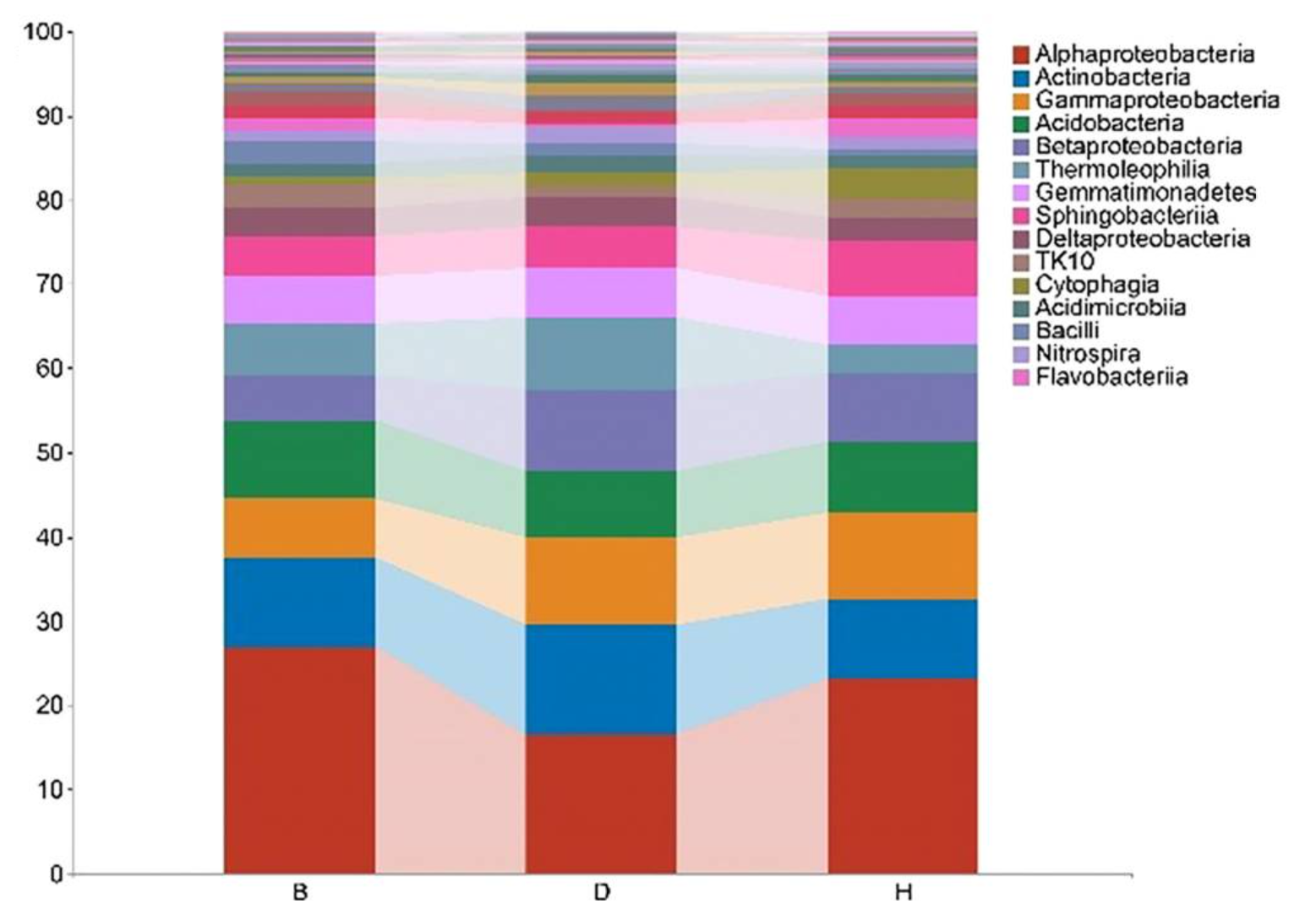
The relative abundance of the bacterial taxa was compared at the class levels.
In B groups, Alphaproteobacteria accounted for 27.2% of the ASVs, at least two folds more than other terms in the same group;
In D groups, Actinobacteria was abundant, accounting for 13% of the ASVs, while the proportions in group B and H were 10.6% and 9.5%, respectively;
In H groups, Sphingobacteria and Cytophagia were abundant, accounting for 6.7% and 3.5% of the ASVs, respectively.

Protective antibodies to schistosome infections include IgG responses to the core Xyl/Fuc epitopes in surface-expressed N-glycans

A group from Department of Biochemistry, Emory University School of Medicine, Atlanta, GA, USA, etc. has reported that protective antibodies to schistosome infections in brown rats and rhesus monkeys include IgG responses to the core Xyl/Fuc epitopes in surface-expressed N-glycans, and raise the potential of novel glyco-based vaccines that might be developed to combat this disease.
https://pubmed.ncbi.nlm.nih.gov/37081851/

Schistosomiasis, caused by infection with parasitic helminths of the genus Schistosoma, infects over two hundred million people worldwide and causes up to seventy million disability-adjusted-life years (DALYs)—more DALYs than those caused by malaria. Therefore, it is thought that novel vaccine targets are urgently needed. Many different mammals can host schistosomes. Humans become chronically infected, while Rodents can clear the worms soon after infection.

Human N-glycans typically contain a core modification of the GlcNAc residues in GlcNAc-Asn by α6-linked fucose. Core α2-Xylose (CX) and core α3-Fucose (CF) are not found in humans, but are common in N-glycans from insects (CF), plants (CX, CF), and worms (CX, CF).

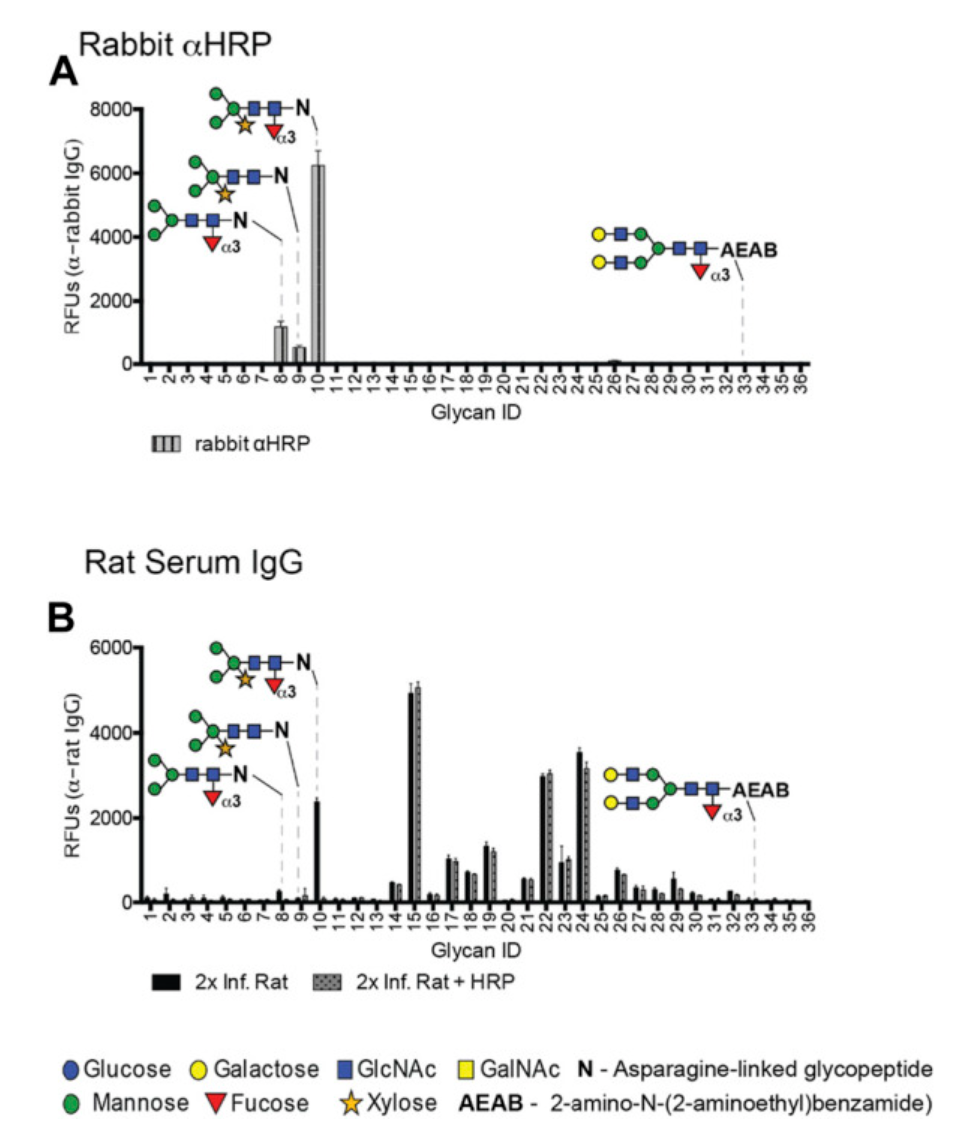
In ths work, it was demonstrated that antibodies including rabbit anti-horseradish peroxidase (rabαHRP) to CX/CF promote complement-dependent and glycan-specific killing of schistosomula in vitro.

A new lectin (HiL) isolated from the tropical sponge Haliclona (Reniera) implexiformis shows antimicrobial activity against Staphylococcus spp.

A group from Universidade Federal do Ceará, Departamento de Engenharia de Pesca, Laboratório de Biotecnologia Marinha, Brazil, etc., has reported about a new lectin (HiL) isolated from the tropical sponge Haliclona (Reniera) implexiformis showing antimicrobial effect.
https://pubmed.ncbi.nlm.nih.gov/37075356/

Marine sponges are multicellular, sessile and filtering organisms, belonging to the phylum Porifera, the oldest of the Metazoans. More than 8,500 species found in marine and freshwater ecosystems have been described。A lectin from the marine sponge Haliclona (Reniera) implexiformis was isolated by affinity chromatography on Sepharose™ matrix, and HiL showed specificity for galactose and its derivatives.

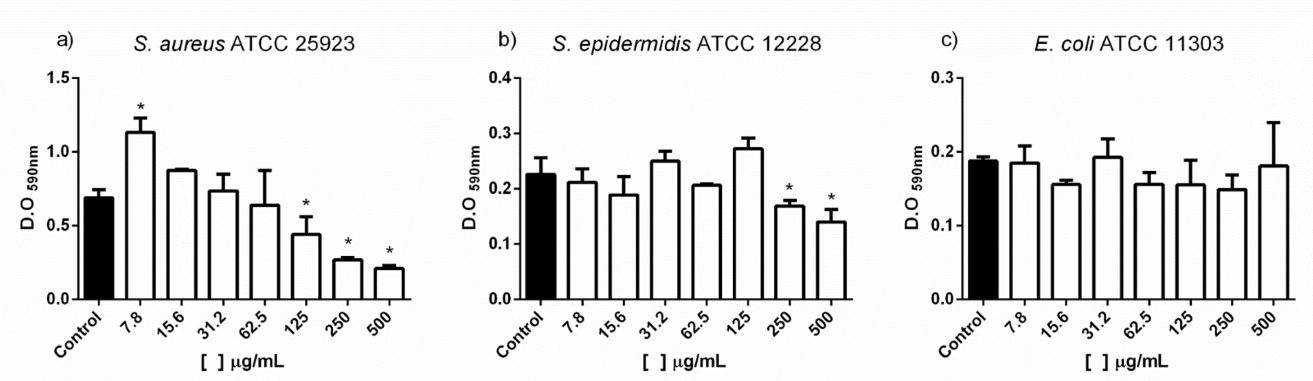
It seems that the recognition of glycans in the bacterial membrane by lectins may cause an inhibitory effect in the biofilm formation. Some studies have shown that galactose-binding lectins may recognize glycans in bacterial surface and distinguish bacteria Gram-positive from Gram-negative bacteria。The mechanism of activity of lectins on biofilm formation is not yet fully determined, but as shown below, HiL showed antimicrobial activity potential to prevent infections mainly caused by Staphylococcus spp (no antimicrobial activity for E. coli: Gram-negative bacteria).

 The vertical axis shows the total mass of biofilmms quantified by measuring the intensity of crystal violet stain

Core fucose-binding lectin PhoSL inhibits HBV infection

A group from Department of Molecular Biochemistry and Clinical Investigation, Osaka University Graduate School of Medicine, Osaka, Japan, etc. has reported that core fucose-binding lectin Pholiota squarrosa lectin (PhoSL) inhibits HBV infection.
https://www.ncbi.nlm.nih.gov/pmc/articles/PMC10105536/

Current anti-HBV therapies include nucleoside and nucleotide analogs, which can competitively inhibit HBV replication2,3, and pegylated interferons, which can modulate the host immune response to HBV infection and induce the degradation of covalently closed circular DNA (cccDNA) in hepatocytes.

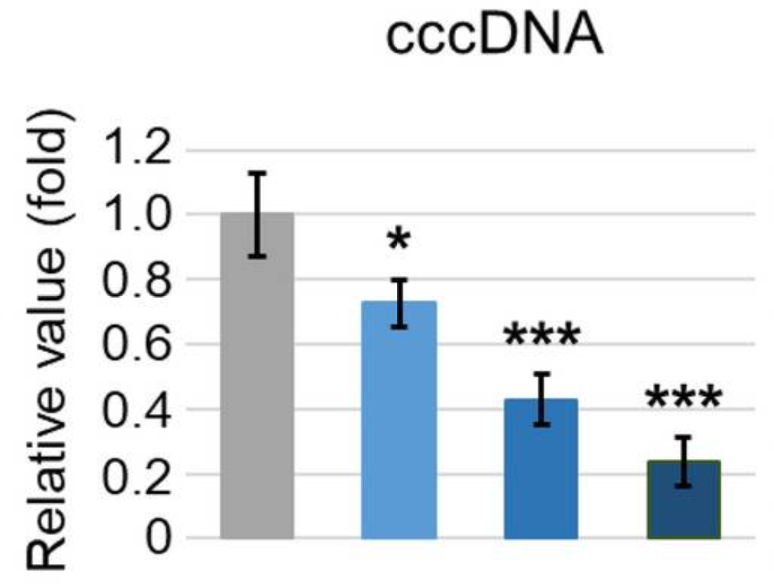
In this study, it was investigated the effects of PhoSL on HBV infection of the human cell line HepG2-hNTCP-C4, and also analyzed the molecular mechanisms underlying PhoSL-mediated inhibition of HBV infection. It was shown that the treatment with PhoSL dramatically decreased the levels of human HBV e antigen (HBeAg) , cccDNA (as shown belwo), HBV DNA, and HBV RNA), markers of HBV infection, in a dose-dependent manner without cytotoxicity.

There are two possibilities: (1) PhoSL affects the protein dynamics of the host cells, or (2) PhoSL binds to HBV.
As aresult, it was found that PhoSL inhibits EGFR activation by blocking the binding of EGF to EGFR, and also PhoSL binds to HBV particles directly. HBV particles bound by PhoSL are internalized into host cells, and PhoSL seems to inhibit HBV infection after internalization.

PhoSL treatment could contribute to the development of novel anti-HBV therapies.

Powered by WordPress |Copyright © 2020 Emukk. All rights reserved