Glycobiologist, Prof. Caroline Bertozzi, Stanford Univ. has won the 2022 Nobel Prize in Chemistry

In June 2021, I blogged about an unbelievable paper published by Prof. Caroline Bertozzi, Stanford University, et. al., that RNA is glycosylated.
small noncoding RNA is glycosylated

She has won the 2022 Nobel Prize in Chemistry.
The content of the award is not glycobiology itself, but the research on the biosynthesis of sialic acid led to the development of bio-orthogonal chemistry.

By the way, Caroline talks about sialic acid modification on cancer cell surface and immunity in an easy-to-understand manner. Please for your reference!
Sialylation of cancer cell surface and immunity: TED Youtube

Effects of N-Glycosylation in FcγRIIIa interaction with IgG

A group from Copenhagen Center for Glycomics, Department of Cellular and Molecular Medicine, Faculty of Health Sciences, University of Copenhagen, Denmark, etc. has reported about the effects of N-Glycosylation in FcγRIIIa interaction with IgG.
https://www.ncbi.nlm.nih.gov/pmc/articles/PMC9524020/

The FcγRIIIa receptor is an activating IgG receptor, mainly expressed on NK cells, macrophages, and monocytes. In this work, the effects of N-glycosylation of FcγRIIa onto affinity between FcγRIIIa and IgG1.

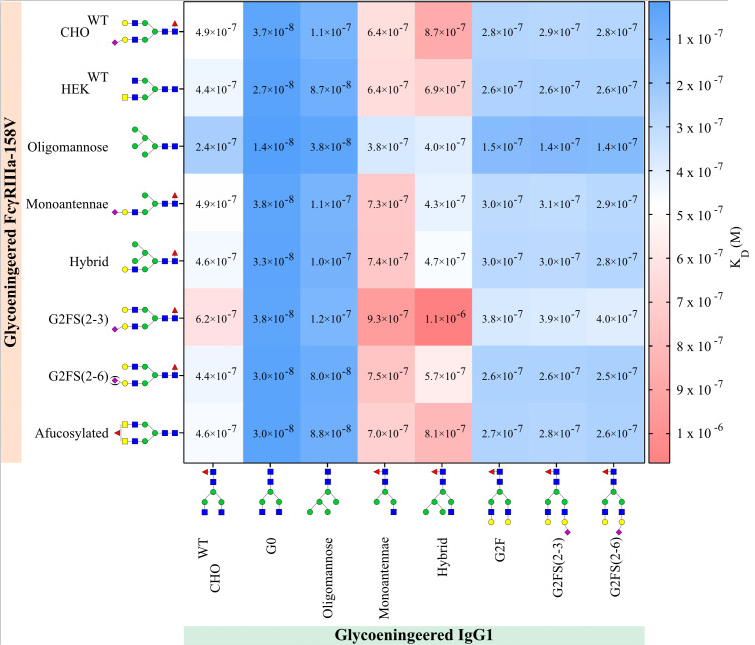
The highest affinity of all FcγRIIIa receptors was observed to afucosylated IgG, both IgG1-G0 and the IgG1-Oligomannose, as is expected.
Interestingly, the N-glycosylation state of the FcγRIIIa had minimal effect on the binding affinity when probed with afucosylated IgG, except for oligomannosylated FcγRIIIa where binding affinity is increased by a factor of two.
The highest KD, i.e., lowest affinity, was seen for IgG1-Hybrid and IgG1-Monoantennae to all FcγRIIIa.
On the other hand, the lowest KD, i.e., highest affinity, was seen for afucosylated IgG1 and oligomannosylated FcγRIIIa.

Continuous cropping of Sugar beet changed rhizospheric fungi significantly than non-cropping

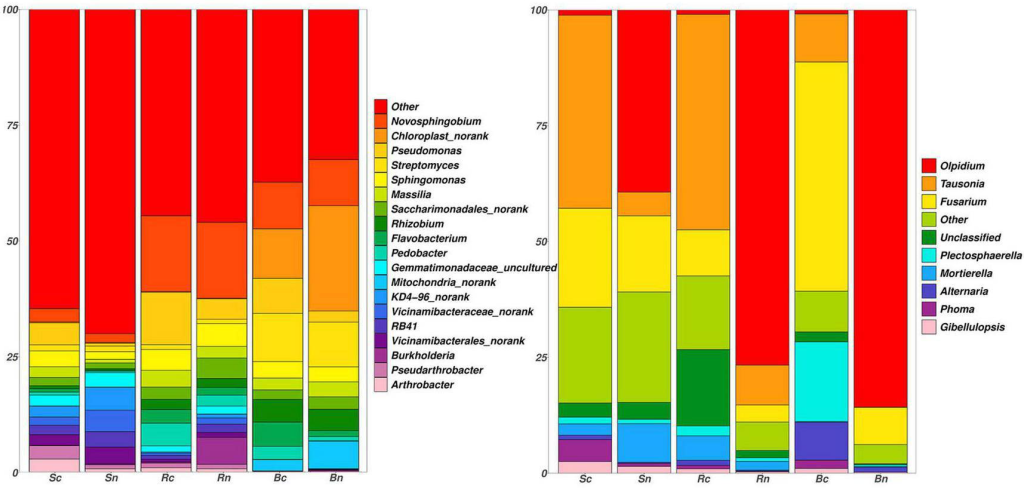
A group from National Sugar Crop Improvement Centre, Heilongjiang University, Harbin, China, etc. has reported about difference of rhizosphere between continuous and non-continuous cropping groups of sugar beet rhizosphere.
https://www.ncbi.nlm.nih.gov/pmc/articles/PMC9490479/

There were significant differences in fungal community composition between continuous and non-continuous cropping groups of sugar beet rhizosphere.
Compared with non-continuous cropping, continuous cropping increased the relative abundance of potentially pathogenic fungi such as Tausonia, Gilbellulopsis, and Fusarium, but decreased the relative abundance of Olpidium.


Left figure=rhizospheric bacteria, Right figure=rhizospheric fungi
where, Sc, continuous cropping bulk soil; Sn, non-continuous cropping bulk soil; Rc, continuous cropping rhizosphere soil; Rn, non-continuous cropping rhizosphere soil; Bc, continuous cropping sugar beetroot; Bn, non-continuous cropping sugar beetroot.

OsRMC binding to CBM1 of a blast fungal xylanase blocks access to cellulose and inhibits infection of pathogenic fungi

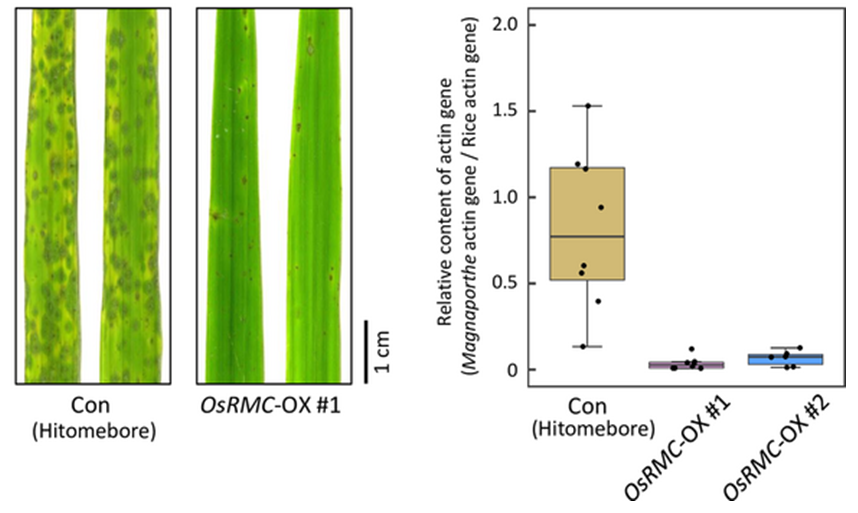
A group from Iwate Biotechnology Research Center, Kitakami, Iwate, Japan, etc. has reported that OsRMC binding to CBM1 of a blast fungal xylanase blocks access to cellulose, resulting in the inhibition of xylanase enzymatic activity.
https://journals.plos.org/plospathogens/article?id=10.1371/journal.ppat.1010792

The plant apoplastic space is filled with the primary cell wall, mainly composed of the polysaccharides cellulose, hemicellulose, and pectin. Hemicellulosic polysaccharides play an important role in controlling the physical properties of the cell wall. Xyloglucan in dicotyledonous and xylan in monocotyledonous plants are the major hemicellulosic polysaccharides by quantity and strengthen the cell wall by forming cross-bridges between cellulose microfibrils. A cell wall composed of heteropolysaccharides also provides a physical barrier against plant pathogen invasion.

Plant pathogenic fungi secrete a battery of cell wall-degrading enzymes (CWDEs) that catalyze hydrolytic and oxidative degradation of plant cell wall polysaccharides, assisting fungal penetration and colonization.

Plants have evolved various activity-inhibiting proteins as a defense against fungal cell wall-degrading enzymes (CWDEs), but how plants counteract the function of fungal enzymes containing carbohydrate binding modules (CBMs) remains unknown. Here, it was demonstrated that OsRMC, a CBM1-interacting protein (CBMIP) of rice (Oryza sativa), binding to CBM1 of a blast fungal xylanase blocks access to cellulose, resulting in the inhibition of xylanase enzymatic activity. Where, OsRMC is a member of the Cysteine-rich repeat secretion proteins (CRRSPs) containing two DUF26, and binds mannose as well as CBM1.


(LEFT)Rice leaves of wild-type (Hitomebore) control (Con) and OsRMC-overexpressing (OsRMC-OX) lines 4 days after inoculation of M. oryzae inoculation.
(RIGHT)The amount of M. oryzae fungal mass in rice leaf was monitored by quantifying the ratio of M. oryzae genomic DNA to rice genomic DNA obtained by PCR.

Site-specific N-Linked glycan characterization of PSMA from metastatic prostate cancer cells

A group from Leroy T. Canoles Jr. Cancer Research Center, Eastern Virginia Medical School, Norfolk, Virginia 23507, USA, etc. has reported about site-specific N-Linked glycopeptide characterization of Prostate-Specific Membrane Antigen from metastatic prostate cancer cells.
https://www.ncbi.nlm.nih.gov/pmc/articles/PMC9435049/

The prostate-specific membrane antigen (PSMA), also known as folate hydrolase 1 (FOLH1) or glutamate carboxypeptidase 2, was previously studied as a PCa biomarker in tissues and body fluids using conventional biochemical methods with mixed results. PSMA is not exclusively expressed in prostatic tumors; the protein is expressed in low abundance in prostate epithelium, in the neo-vasculature of exclusive solid tumor types, and in some healthy tissues including proximal renal tubes, duodenum, and ganglia of the nervous system. In PCa, PSMA abundance increases with disease severity, and up to 100-fold higher abundance has been observed in advanced aggressive forms of the disease compared to normal tissue.

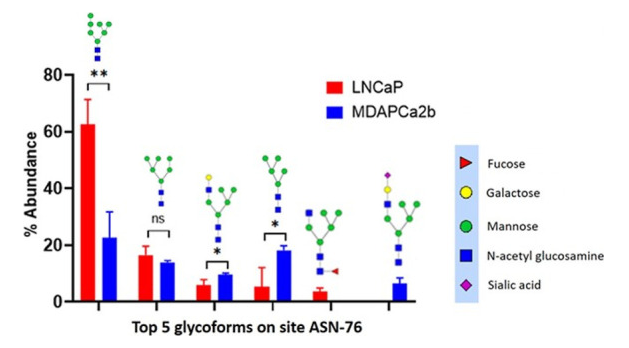
In this study, two PCa cell lines, LNCaP cells (CRL-1740) and MDAPCa2b (ATCC CRL-2422) were used to compare site-specific N-linked glycopeptide characterization of PSMA.
It was demonstrated that there are significant differences in the expression of several glycans in two cell lines LNCaP and MDAPCa2b (see below), which have different phenotypes, and further there are significantly more glycans identified in MDAPCa2b compared to LNCaP cells.
These studies will form the basis of developing site-specific PSMA glycoform-based prognostic markers for PCa disease stratification in the future.

Milk lactose can improve diarrhea problems in young pigs

A group from Laboratory of Virology, Faculty of Veterinary Medicine, Ghent University, Merelbeke, Belgium, etc. has reported that lactose can improve diarrhea problems in young pigs by a combination of a direct effect by reducing rotavirus infection and inhibiting the growth of bacterial pathogens by balancing the environment.
https://www.ncbi.nlm.nih.gov/pmc/articles/PMC9428151/

Rotavirus is an important pathogen causing diarrhea in animals and humans. High morbidity and mortality are mainly observed during the first weeks after birth. The rotavirus particles have 11 double-stranded RNA segments encoding six structural viral proteins (VP1-VP4, VP6, and VP7) and six non-structural proteins (NSP1-NSP6). Rota virus has been classified into 10 species, and RVA, B, and C are the most common genotypes that infect humans and animals, including pigs. Among them, the RVA strains have the highest prevalence in a variety of species and is a main cause of diarrhea in the veterinary world.

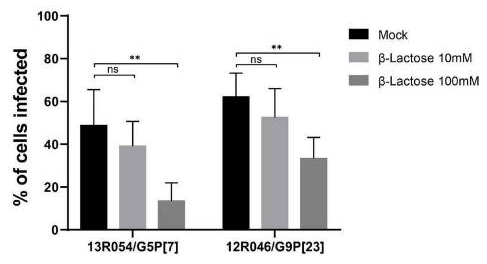
The carbohydrate binding specificity of recombinant VP8* protein of RBA was determined using a glycan array comprised of 300 glycans, and it was found that it binds to β-lactose strongly.
It was also shown that β-lactose decreases rotavirus infection of MA104 cells with dose dependent manner.

where, RVA strains 13R054 G5P[7] and 12R046 G9P[23]

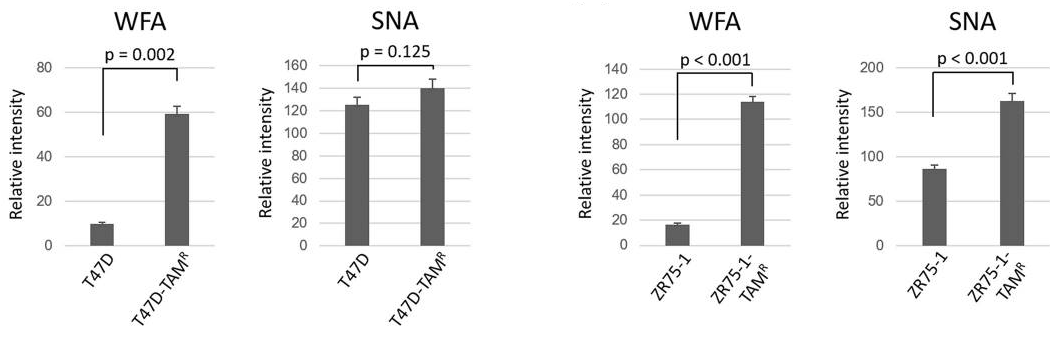
Tamoxifen (TAM)-resistant breast cancer cells bind to WFA lectin which recognizes LacdiNAc glycan

A group from Department of Breast Oncology, Juntendo University Faculty of Medicine, Tokyo, Japan, etc. has reported that Tamoxifen (TAM)-resistant breast cancer cells bind to WFA lectin which recognizes LacdiNAc glycan.
https://www.ncbi.nlm.nih.gov/pmc/articles/PMC9409572/

Some breast cancers require estrogen (female hormone) for the growth of cancer cells, and account for 60-70% of all breast cancers. Anti-estrogen drugs (tamoxifen), which suppress the action of estrogen, are expected to be effective against such types of breast cancer that proliferate with estrogen. However, some breast cancer cells result in developing resistance to tamoxifen.

Glycosylation is a major post-translational modification of proteins through the sequential action of glycosyltransferases, and alterations in glycosylation are well known to be associated with carcinogenesis, malignant progression and metastasis.
Therefore, in this study, it was investigated the glycan profiles of TAM-resistant human breast cancer cells were evaluated by using lectin microarrays, to investigate whether changes in glycosylation can be used as predictive biomarkers for endocrine therapy.

As a result, it was shown that TAM-resistant breast cancer cells have LacdiNAc glycosylation and strongly react with WFA lectin.

High bacterial diversity and siderophore-producing bacteria are important in suppressing Fusarium oxysporumin

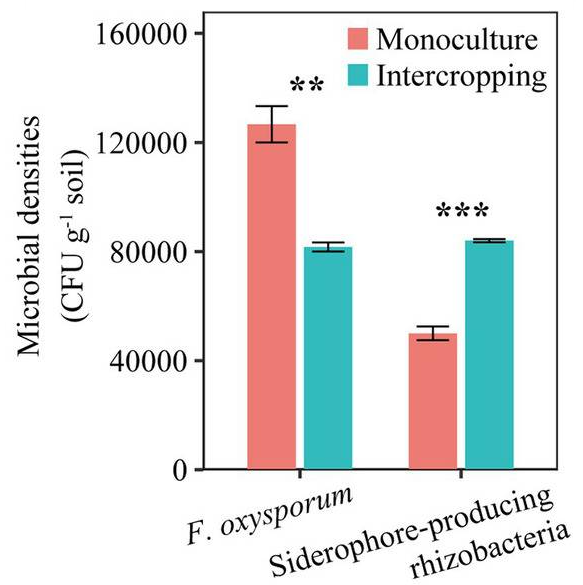
A group from Key Laboratory of Plant-Soil Interactions, China Agricultural University, Beijing, China, etc. has reported that high bacterial diversity and siderophore-producing bacteria collectively suppress Fusarium oxysporumin maize/faba bean intercropping.
https://www.ncbi.nlm.nih.gov/pmc/articles/PMC9389221/

It is generally known that global food production is subject to various threats, in which soil-borne pathogens account for approximately 20% of yield losses. Intensive large-scale monocultures are prone to disease outbreaks, which cause yield losses. Fungal disease can be effectively controlled by sustainable diversified cropping systems such as rotations and/or intercropping.

In this study, three planting patterns were compared:
(1) monocultured maize,
(2) monocultured faba bean, and
(3) maize/faba bean intercropping.

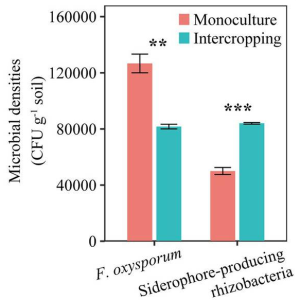
As a result, intercropping increased the yields of maize and faba bean over monocropping by 21.3 and 14.4%, respectively, intercropping significantly decreased the gene copies of Fusarium oxysporum over monoculture by 2.91, 7.33 and 9.56% in bulk soil, rhizosphere soil and root endosphere, respectively, and the suppression of F. oxysporum was much stronger in faba bean than in maize.

From the analysis of bacterial diversity and community composition, the followings were highlighted:
(1) rhizosphere bacterial diversity and network connections are enhanced in the intercropping, which correlates the decrease of Fusarium oxysporum,
(2) Number of siderophore-producing rhizobacteria in rhizosphere of maize and faba bean was inversely correlated with the the abundance of Fusarium oxysporum.
Altered sialidase expression in human myeloid cells undergoing apoptosis and differentiation

A group from Baltimore Veterans Affairs Medical Center, Research Service, Baltimore, MD, USA, etc. has reported about altered sialidase expression in human myeloid cells undergoing apoptosis and differentiation.
https://www.nature.com/articles/s41598-022-18448-6

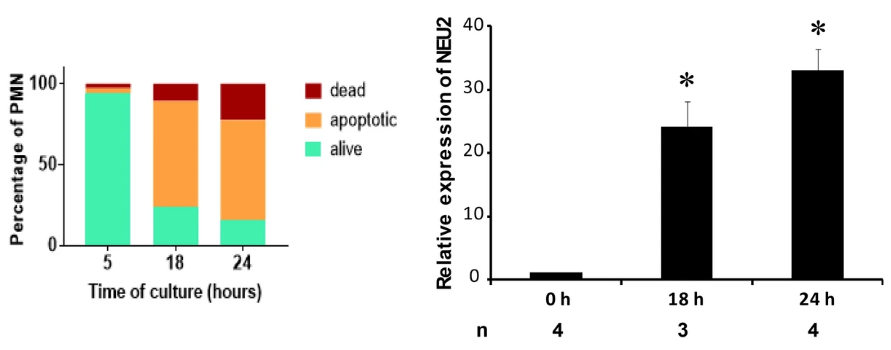
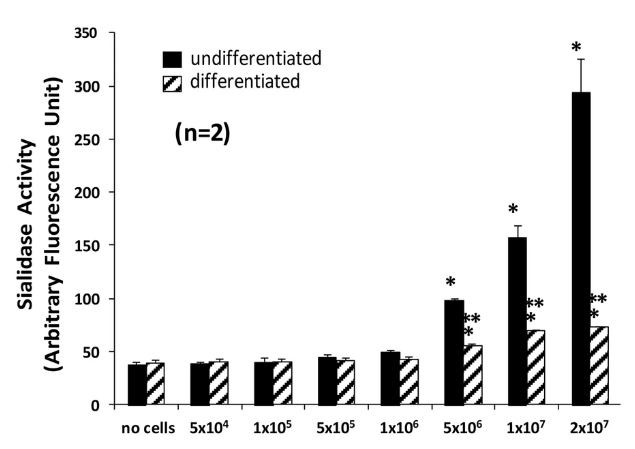
The sialidase/neuraminidase (NEU) activity and expression in mature human neutrophil (PMN)s and the HL60 promyelocytic leukemic cell line were studied, and changes in sialic acid modification that would occur in PMNs undergoing apoptosis and HL60 cells during their differentiation into PMN-like cells were observed.

PMNs are part of the first line of host defenses against invasive prokaryotic pathogens4. Myeloid progenitors undergo maturation within the bone marrow into mature PMNs. PMNs undergo profound shape changes permitting these cells to squeeze through the small caliber microvasculature and interendothelial cell junctions to enter extravascular tissues, where they adhere to and engulf bacteria for successful phagocytosis and intracellular killing. The HL60 promyelocytic leukemia cell line has been used as a model for myelopoiesis.

In proapoptotic PMNs, NEU2 protein expression increased >30.0-fold as shown below.

The total NEU activity in differentiated HL60 (dHL60) cells was dramatically reduced compared to that of nondifferentiated cells as shown below.

Thus, changes in PMN surface sialylation could regulate accessibility of both Siglecs and Galectins.

Human surfactant protein D facilitates SARS-CoV-2 binding and entry in DC-SIGN expressing cells

A group from College of Health, Medicine and Life Sciences, Brunel University London, Uxbridge, UK, etc. has reported that human surfactant protein D (human SP-D) facilitates SARS-CoV-2 binding and entry in DC-SIGN expressing cells
https://www.frontiersin.org/articles/10.3389/fimmu.2022.960733/full

The ability of a recombinant fragment of human SP-D (rfhSP-D) to mediate the binding of SARS-CoV-2 to DC-SIGN expressing cells was evaluated. HEK 293T cells were transfected with a construct containing a DNA sequence of full-length human DC-SIGN to induce DC-SIGN cell surface expression (DC-HEK cells). To assess the effect of rfhSP-D on pseudotypes binding to DC HEK cells, the DC-HEK cells were challenged with rfhSP-D (20µg/ml) treated SARS-CoV-2 Spike protein-expressing pseudotype. Increased binding (~50%) in the treated samples (DC-HEK + SARS-CoV-2 spike Pseudotypes + rfhSP-D) compared to their untreated counterparts (DC-HEK + SARS-CoV-2 spike Pseudotypes) was observed. Similar experiments were done using THP-1 cells treated with PMA and IL-4 to induce the expression of native DC-SIGN. rfhSP-D treatment was found to increase the binding efficiency of the pseudotypes to the THP-1 cells expressing DC-SIGN by ~25%, compared to the untreated controls.

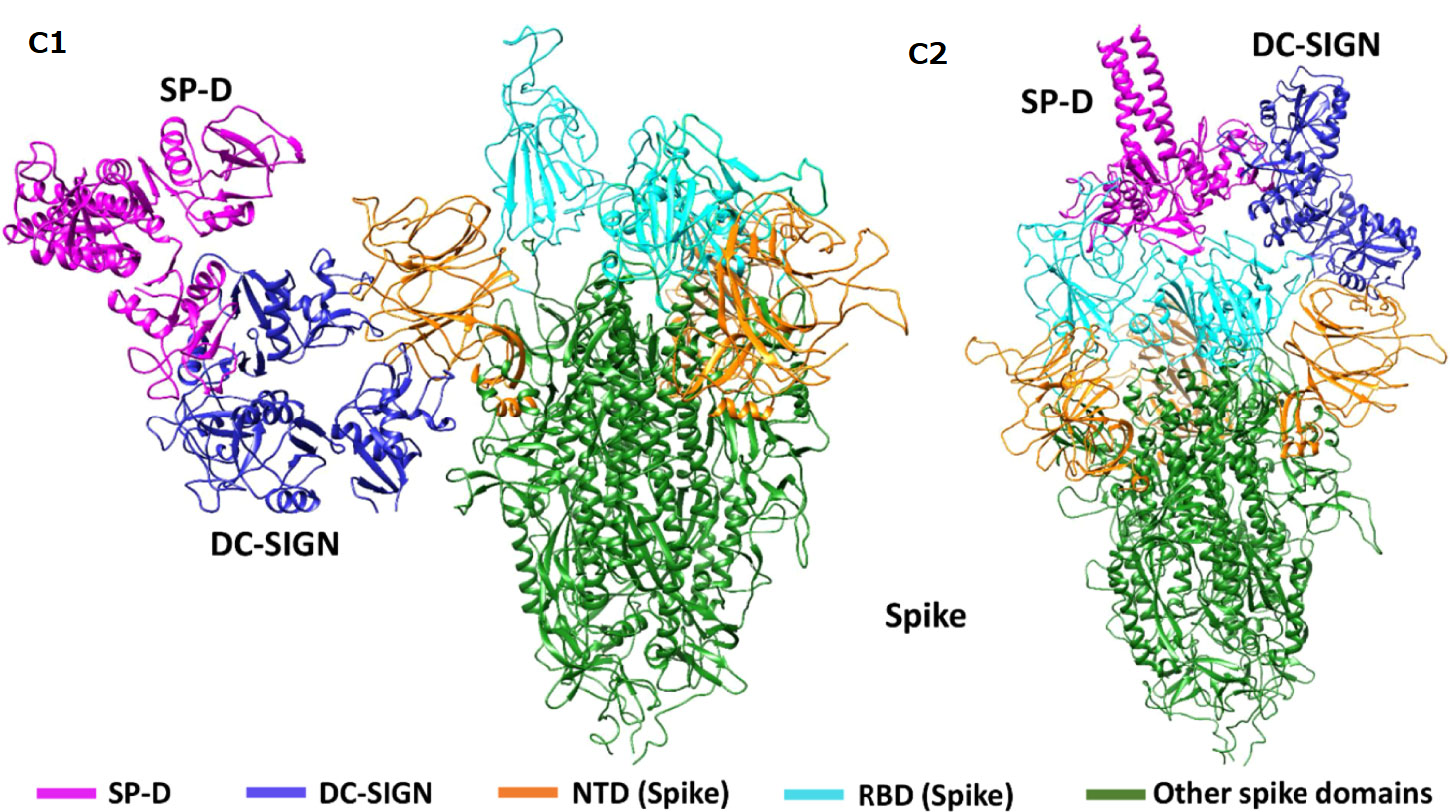
A blind docking approach was attempted to generate SARS-CoV-2 and DC-SIGN complexes. Analysis of the top ranked docked poses revealed that NTD (N-terminal domain) of spike protein interacted with the CRD domain of DC-SIGN. Tripartite complexes were generated by docking C-SIGN and SP-D with Spike protein. The top two docked poses (C1 and C2) were analysed for intermolecular interactions. In both C1 and C2 complexes, DC-SIGN (CRD) interacted with NTD domain of Spike protein. In C1, there were no molecular interactions between Spike protein and rfhSP-D. In C2, Spike protein interacted with rfhSP-D through RBD.

As a conclusion, it was shown that SP-D interacts with RBD and DC-SIGN interacts with NTD of SARS-CoV-2 spike protein, and also SP-D stabilises DC-SIGN and SARS-CoV-2 spike protein interaction.

Powered by WordPress |Copyright © 2020 Emukk. All rights reserved