Bacilli’s biofilm formation capability is critical to fulfill biocontrol activity against phytopathogens

A group from College of Food Science and Light Industry, Nanjing Tech University, Nanjing, China has reported that the biofilm formation enhanced Bacillus root colonization and its biocontrol activity against phytopathogens.
https://www.frontiersin.org/articles/10.3389/fmicb.2022.972393/full

Bacilli are used as biocontrol agents (BCAs) against phytopathogens and most of them can produce poly-γ-glutamic acid (γ-PGA) as one of the major extracellular polymeric substances (EPSs).

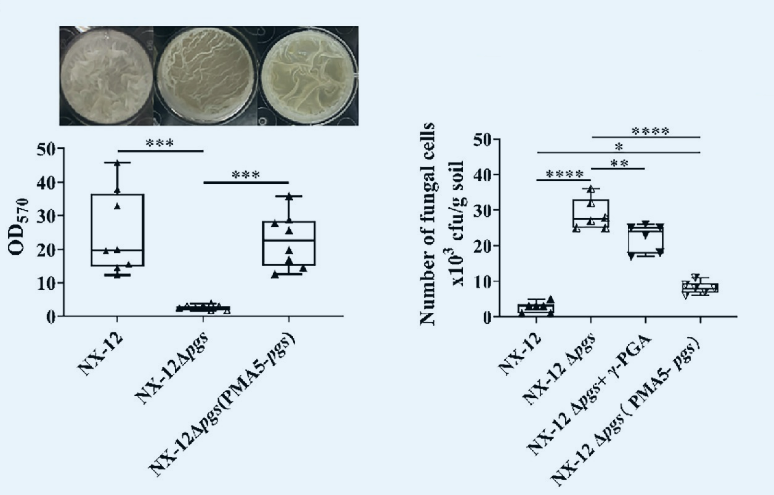
In this study, Bacillus atrophaeus NX-12 (γ-PGA yield: 16.8 g/l) was compared with its γ-PGA synthesis gene knocked out strain NX-12Δpgs from a view point of antifungal ability. The antifungal ability of γ-PGA synthetase-deficient strain NX-12Δpgs (γ-PGA yield: 1.65 g/l) was improved in vitro, while the biocontrol ability of NX-12Δpgs was greatly diminished in situ.

It was proved that γ-PGA produced by NX-12 contributes to the biofilm formation and rhizosphere colonization, which effectively improved biocontrol capability suggesting that the effective colonization of Bacilli as biocontrol agents in the rhizosphere is very important for its function.


NX-12Δpgs (pMA5-pgs) means that the mutant NX-12Δpgs was complemented with a primer pMA5-pgsBCA, where pgsBCA is a γ-PGA synthase gene of NX-12.

The crystal structure of Cry78Aa from Bacillus thuringiensis: consists of a lectin domain and a pore-forming domain

A group from Institute of Plant Protection, Chinese Academy of Agricultural Sciences, Beijing, China, etc. has reported about the crystal structure of Cry78Aa from Bacillus thuringiensis.
https://www.nature.com/articles/s42003-022-03754-6

Biological control methods using Bacillus thuringensis (Bt) as well as genetically modified plants expressing insecticidal proteins from Bt have been proven effective and economic against some insect pests. Cry78Aa is a novel protein identified from the Bt C9F1 strain that effectively kills rice planthoppers, with median lethal concentration (LC50) values against Laodelphax striatellus and Nilaparvata lugens of 6.89 and 15.78 μg ml−1, respectively. The activity of Cry78Aa does not require in vitro activation or any additional components, making it convenient for application in field trials.

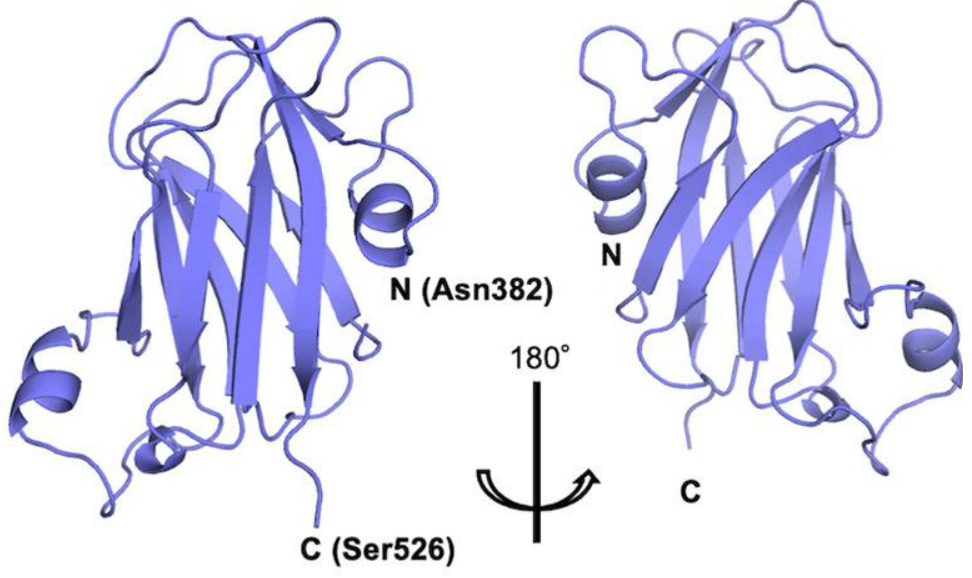
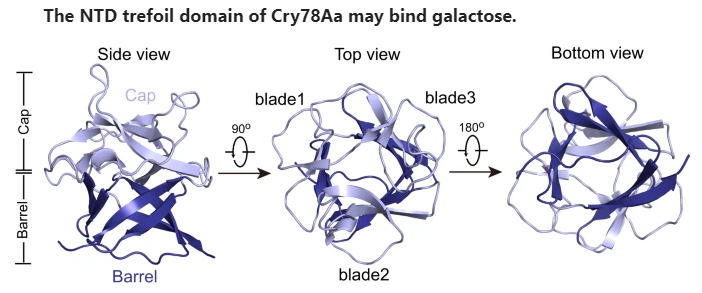
In this paper, the crystal structure of Cry78Aa was analyzed in detail. This structure consists of two independent domains: a trefoil domain at the N-terminus, which shares the highest identity with S-type lectin, and a pore-forming domain belonging to the aerolysin family. Bioassays showed that the NTD or CTD of Cry78Aa alone has no toxicity against planthopper nymphs, indicating that its insecticidal activity is dependent on the cooperation of both domains. The NTD of Cry78Aa plays a vital role for its insecticidal activity, probably by recognize galactose derivatives linked to proteins or lipids on the surface of the cell membrane.

O-Glycosylation changes in serum IgG3 could be a marker for inflammation development in advanced endometriosis

A group from Division of Laboratory Diagnostics, Faculty of Pharmacy, Wroclaw Medical University, Poland, etc. has reported that O-Glycosylation changes in serum IgG3 could be a marker for inflammation development in advanced endometriosis.
https://www.mdpi.com/1422-0067/23/15/8087/htm

Structurally, human IgG N-linked glycans are typically biantennary complexes. The second N-glycosylation site is found in the VH and VL (heavy and light chain of variable regions, respectively) and has been observed in 15–25% of all serum IgG. The presence of glycans in the IgG Fab region may contribute to higher antibody stability and modulate antigen binding. For IgG3, apart from N-glycans present in the Fab and Fc regions, the presence of O-linked glycans in the hinge region is also observed.

In blood serum, about 10% of IgG3 polyclonal antibodies and about 13% of IgG3 monoclonal antibodies are considered to contain O-glycans. Each IgG3 molecule can contain up to three O-glycans linked to threonine residues in the triple repeat regions within the hinge region. Although the function of IgG O-glycosylation is still not fully understood, the structure of the hinge region is hypothesized to be able to protect the immunoglobulin from proteolytic cleavage, and may also help maintain the extended conformation and flexibility of IgG3.

In this study, it was examined whether O-glycans are expressed in serum IgG in advanced endometriosis, and also whether, additionally to the presence of biantennary N-glycans, there are also highly branched N-glycans in IgG, and if so, whether the degree of their expression is characteristic of advanced endometriosis.

For the analysis of serum IgG O-glycosylation and the expression of multi-antennary N-glycans, lectin-ELISA with lectins specific to O-glycans (MPL, VVL, and Jacalin) and highly branched N-glycans (PHA-L) was used. And also, isolated serum IgG, i-IgG, and native serum IgG, s-IgG, were examined as samples.

The results were striking. In the case of s-IgG, the clinical value was limited. In the case of i-IgG, however, a maximum high clinical value (AUC = 1) was obtained with all four lectins used, both when comparing women with advanced endometriosis to healthy women and healthy women to a non-endometriosis group.
While this research has shown that both the expression of O-glycans and highly branched N-glycans in IgG may have a potential application in the diagnostics of advanced endometriosis, at the present stage of research, these conclusions mainly concern IgG isolated from serum. This makes it difficult to apply this type of determination in routine diagnostics due to the laborious and time-consuming procedure of protein isolation and purification. Nevertheless, this direction of research seems to be promising, and the development of a simple and fast protein isolation procedure is required.
Stratifin (SFN) and Presepsin (P-SEP) could be used as prognostic biomarkers for severe COVID-19 progression

A group from Division of Medical Safety Science, National Institute of Health Sciences, Japan, etc. has reported that stratifin (SFN) and presepsin (P-SEP) could be used as prognostic biomarkers for severe COVID-19 progression.
https://www.ncbi.nlm.nih.gov/pmc/articles/PMC9188980/

COVID-19 is a respiratory disease with a wide range of manifestations, from asymptomatic to severe cases with ARDS.18 Although about 80% of patients with COVID-19 experience only mild or moderate symptoms and have a favorable prognosis, the remaining patients worsen to severe or critical stage, and their prognosis, largely driven by severe ARDS, is poor. Therefore, early detection of the severe COVID-19 cases is important.

In the present study, five biomarkers for lung injury, SP-D, KL-6, P-SEP, KAL and SFN were analyzed, all of which have been suggested to be related with ARDS or its typical histological pattern diffuse alveolar damage (DAD), in serum samples collected serially from patients with COVID-19. It was found for the first time that serum SFN was significantly elevated in patients with severe COVID-19 compared to patients with mild or moderate symptoms. SFN, as well as P-SEP which has been suggested as a biomarker for severe COVID-19.

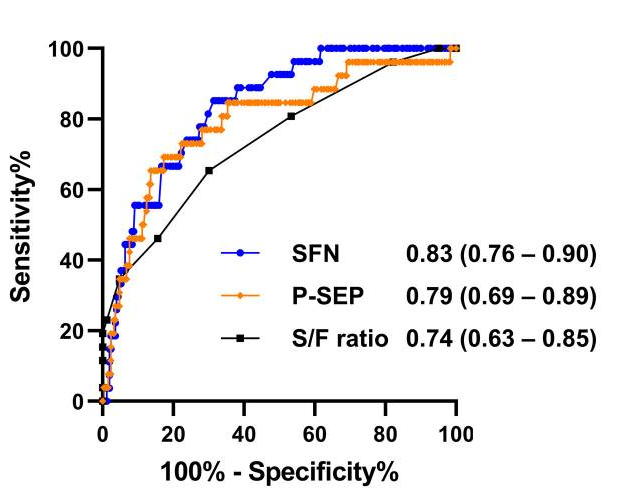
Both serum SFN and P-SEP were obviously elevated at the pre-severe stage. The AUC values [95% CI] of these proteins in diagnosing the pre-severe stage were 0.83 [0.76–0.90] for SFN and 0.79 [0.69–0.89] for P-SEP. When the cutoff values of SFN and P-SEP for discriminating the pre-severe condition from the mild/moderate condition on COVID-19 patients were set at 0.81 ng/mL and 374 pg/mL, the diagnostic sensitivity and specificity were 81.5% and 70.1% for SFN, and 76.9% and 71.9% for P-SEP, respectively.

Membrane-anchored mucins restrict infection of multiple SARS-CoV-2 variants

A group from Division of Infectious Diseases and Vaccinology, School of Public Health, University of California, Berkeley, CA, USA, etc. has reported about key antiviral pathways in SARS-CoV-2 infection.
https://www.nature.com/articles/s41588-022-01131-x

Recent loss-of-function (LOF) screens have begun defining host factor requirements for SARS-CoV-2 infection, these studies employed host gene knockout (KO) approaches either in nonepithelial cell lines or in cell lines that do not endogenously express ACE2 and TMPRSS2. Although LOF screens can be powerful for the identification of proviral genes, gain-of-function (GOF) screens can identify antiviral factors that mediate viral restriction upon upregulation. Performing screens in a bidirectional manner can therefore illuminate host pathways with bimodal roles and provide a more comprehensive view of viral dependencies and potential targets for host-directed therapeutic development.

From these screening results, it was found that G-protein-coupled receptor (GPCR) signaling, transcriptional regulation (TAF7L, FOXE1, ZNF275, TEAD3, SPDEF, JDP2), cell-cycle regulation (CCNE1) and mucin glycosylation (MUC1, MUC4, MUC13, MUC21, B3GNT8) are key antiviral pathways in SARS-CoV-2 infection.

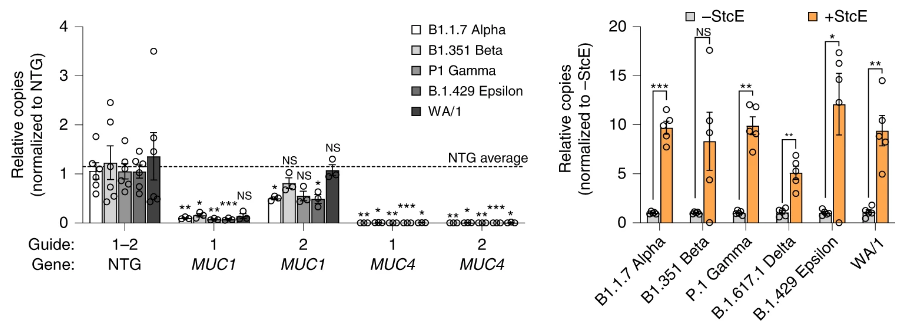
To determine the impact of membrane-anchored mucins on infection of diverse SARS-CoV-2 clinical isolates, we infected our MUC1 and MUC4 GOF Calu-3 lines with alpha, beta, gamma, epsilon, delta, and WA/1 variants. It was found that overexpression of either MUC1 or MUC4 restricted viral replication of diverse SARS-CoV-2 variants relative to NTG controls. Next, mucin-selective protease (StcE) treatment followed by infection with these same variants rendered Calu-3 cells significantly more permissive to viral infection. These data suggest that membrane-anchored mucins restrict infection of multiple SARS-CoV-2 variants.

Plant growth promoting ability of rhizobacteria strains isolated from Polyporus umbellatus

A group from School of Pharmaceutical Sciences, Peking University, Beijing, China, etc. has reported about mycorrhizal bacteria strains isolated from Polyporus umbellatus.
https://www.ncbi.nlm.nih.gov/pmc/articles/PMC9340266/

Fungal pathogens cause a range of serious plant diseases, such as Fusarium wilt, and are responsible for most of the diseases in agricultural ecosystems.
There are two main ways to deal with the effects of these diseases:
One is to develop disease-resistant plants, and
the other is to use chemical fungicide to control the spread of pathogens.
However, these two methods have the disadvantages of long cycle and drug resistance of pathogens. A practical and sustainable strategy for dealing with phytopathogenic fungal diseases is therefore the application of biological control agents (BCAs).

Several bacteria have been isolated from plants and fungi, most of which belong to the genera Bacillus and Pseudomonas, and it has been demonstrated that those genera exhibit satisfactory biological activity and marked biocontrol potential.

In this paper, 21 rhizobacteria strains were isolated from mycorrhizal samples of Polyporus umbellatus, and evaluated from viewpoints of agricultural sustainability without requiring the overuse of hazardous fungicide and plant growth promoting ability such as producing IAA, siderophore, etc. and dissolving phosphate.

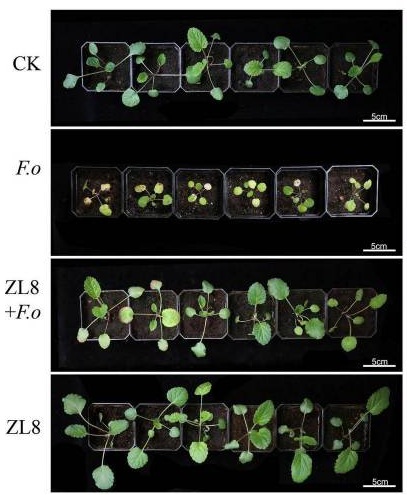
Among those isolated strains, it was found that the Pseudomonas strain ZL8 shows the highest performance as plant growth-promoting bacteria (PGPB). Nineteen compounds were identified from the fermentation broth of the strain ZL8, of which 2,4-diacetylphloroglucinol (DAPG) showed a significant inhibitory effect on phytopathogenic fungi with a minimum inhibitory concentration of 3.12–25 μg/mL. The plant growth promoting ability was evaluated with using Salvia miltiorrhiza, and the effect was so significant as shown below.

where, Fo. means Fusarium oxysporum

Green tea catechin, epigallocatechin gallate (EGCG), could be a pan-coronavirus attachment inhibitor

A group from Department of Biomedical and Molecular Sciences, Queen’s University, Kingston, ON, Canada has reported that green tea catechin, epigallocatechin gallate (EGCG), could be a pan-coronavirus attachment inhibitor.
https://www.nature.com/articles/s41598-022-17088-0

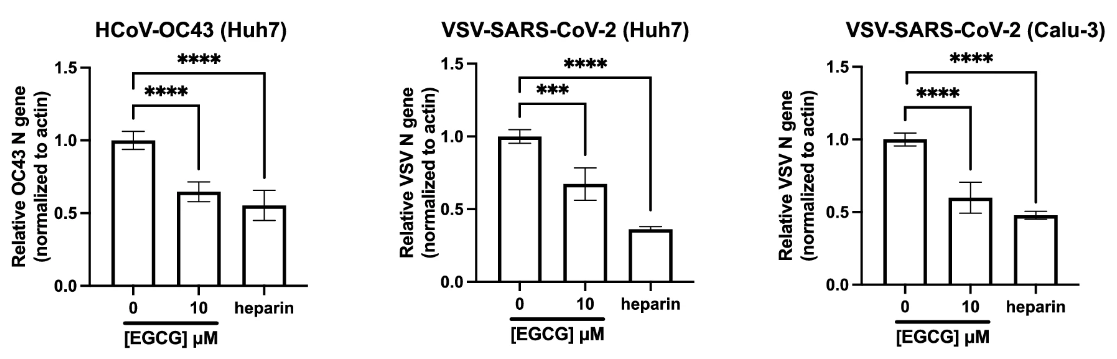
Here, it was evaluated and characterized the inhibitory activity of EGCG against entry of human seasonal and highly pathogenic coronavirus (CoVs). Then, it was demonstrated that EGCG inhibits entry of a broad range of CoVs into physiologically relevant human lung epithelial cells. And, furthermore, EGCG inhibited binding of multiple human CoVs to cell surfaces, suggesting that this natural product inhibits a highly conserved step in CoV attachment, such as primary attachment to cell-surface heparan sulfate.
Focusing on SARS-CoV-2, it was shown that EGCG competitively inhibits virion attachment to heparin, a structural analog of Heparan Sulfate. These findings further support understanding of the antiviral mechanisms of EGCG against CoVs, and identify a highly conserved antiviral target for the development of improved antiviral molecules to prevent infection with diverse CoVs, including potential future emerging CoVs.

Plant growth-promoting and biocontrol bacteria in the rhizosphere of wild rice

A group from Key Laboratory of Mollisols Agroecology, Northeast Institute of Geography and Agroecology, Chinese Academy of Sciences, Changchun, China, etc. has reported about plant growth-promoting and biocontrol bacteria in the rhizosphere of wild rice.
https://www.ncbi.nlm.nih.gov/pmc/articles/PMC9324538/

Rice occupies an important position in the world’s food crops, and about 50% of the populations live on rice as the staple food. Wild rice is an important improved resource for cultivated rice and its unique ability to resist biotic and abiotic stress has attracted the attention of many scholars.

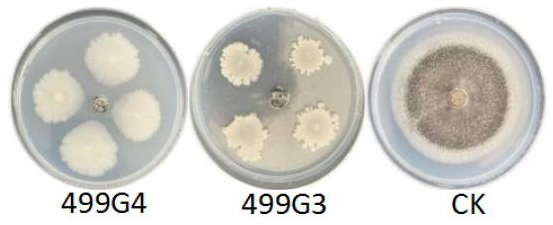
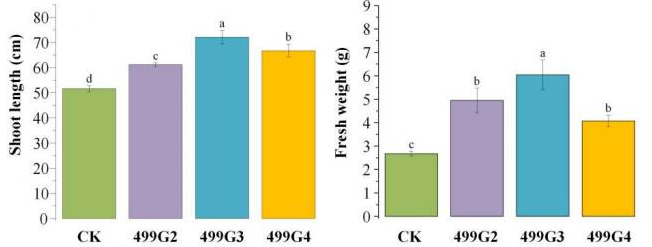
The results of functions of the screened strains showed that 18 strains had a good inhibitory effect on rice blast, and 33 strains had the ability to dissolve phosphorus, potassium, or fix nitrogen. Through potted experiment, the three bacterial strains, 499G2 (Peribacillus simplex), 499G3 (Bacillus velezensis), and 499G4 (Nacillus megaterium) have a positive effect on the growth of cultivated rice in addition to the resistance to rice blast.

, where CK is a control

An extract from coffee leaf (Coffea Arabica) effectively inhibited SARS-CoV-2 infection

A group from Graduate Institute of Biomedical Sciences, China Medical University, Taichung, Taiwan, etc. has reported that an extract from coffee leaf (Coffea Arabica) effectively inhibited five Variants of SARS-CoV-2 (Alpha, Beta, Gamma, Delta, and Omicron strain) from entering host cells.
https://www.ijbs.com/v18p4677.htm

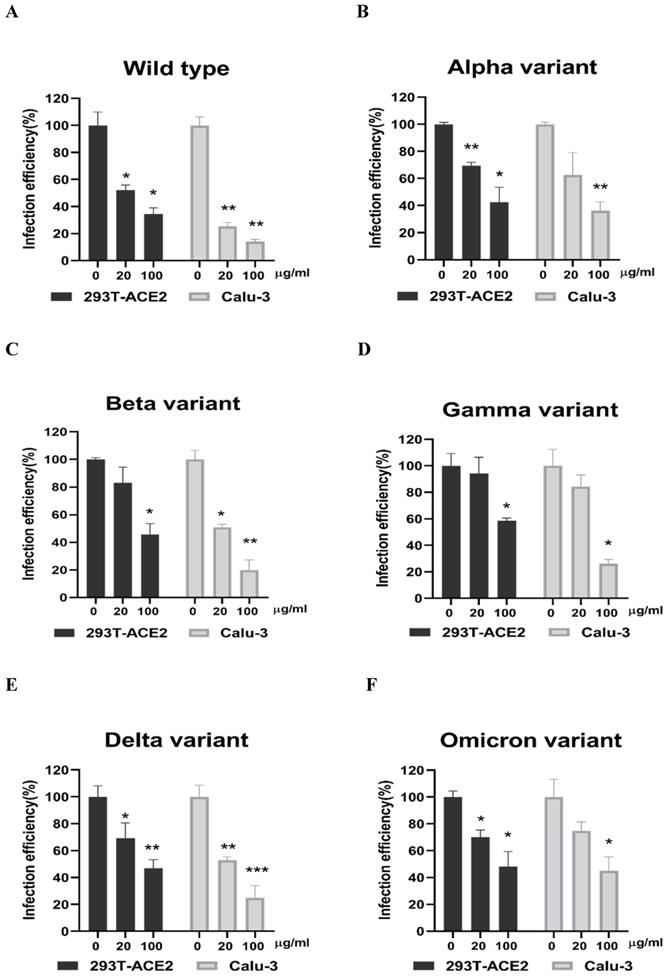
At 100 μg/ml, coffee leaf extract had a significant inhibitory effect on the infection of five VOC (Alpha, Beta, Gamma, Delta, and Omicron strain) pseudoviral SARS-CoV-2 as shown below.

In the coffee extract, four main compounds, including caffeine, CGA, quinic acid, and mangiferin, were identified. ACE2 TR-FRET Assay was used to evaluate inhibitory effect of Spike-ACE2 interactions. Due to the nature of the compounds, mangiferin and CGA were soluble in DMSO, and caffeine and quinic acid were soluble in water. It was demonstrated that treatment with four main compounds could inhibit the activity of Spike-ACE2.

A lectin domain exists in mouse N-acetylglucosaminyltransferase-IVa (MGAT4A: GnT-IVa) C-terminal region

A group from Department of Molecular Immunology, Research Institute for Microbial Diseases, Osaka University, Japan, etc. has discovered a lectin domain in mouse N-acetylglucosaminyltransferase-IVa (MGAT4A: GnT-IVa) C-terminal region.
https://www.ncbi.nlm.nih.gov/pmc/articles/PMC9296478/

The biosynthesis of the GlcNAc branches existing in N-glycans is catalyzed by the specific N-acetylglucosaminyltransferases (GnTs), GnT-I to -V.

Authors have found that the lectin domain discovered in GnT-IVa forms a β-sandwich fold composed of nine β-strands with three short α-helices, and this domain shows structural and functional similarities with bacterial CBM32 acting as a lectin with a preference for GlcNAc.

It was also found that the lectin domain of GnT-IVa is required for the efficient N-glycan biosynthesis toward glycoprotein substrates in cells.

Powered by WordPress |Copyright © 2020 Emukk. All rights reserved