Terminal fucosylation of haptoglobin in cancer-derived exosomes could be a good biomarker for cholangiocarcinoma

A group from Department of Life Sciences, Pohang University of Science and Technology (POSTECH), Pohang, Gyeongbuk, Republic of Korea, etc. has reported that terminal fucosylation of haptoglobin (Hp) in cancer-derived exosomes could be a good biomarker for cholangiocarcinoma (CCA).
https://www.frontiersin.org/articles/10.3389/fonc.2023.1183442/full

Tumor glycosylation has been proposed as potential cancer biomarkers. Many studies have focused on characterizing the aberrant glycosylation of secreted molecules circulating the blood in their soluble form. In this study, it was shown that terminal fucosylation of membrane-bound components correlated with extracellular vesicles (EVs) correlates with CCA.

Glycomic analysis revealed that CCA-EV contained more α1-3/4 fucosylated glycans (terminal fucosylation) than normal EVs. Notably however, α1-6 fucose (core fucosylation) was comparable between samples. As a result, it was shown that the α1-3/4 fucosylation of β-Hp in cancer-derived EV can be used as biomarkers for early diagnosis of CCA as well as for the prediction of recurrence after surgery. And further, it was also shown that fucosylated EVs derived from CCA contribute to tumor progression.
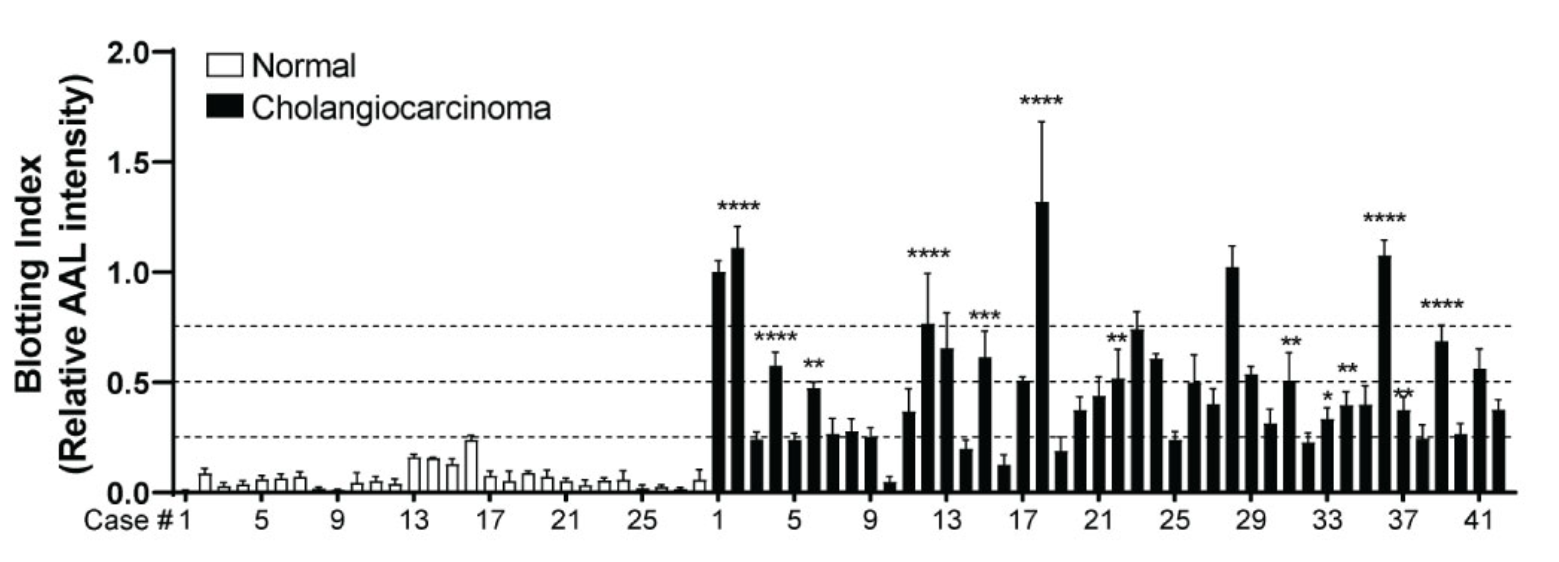

Diagnostic and prognostic value of EV-Hp fucosylation in CCA.
Drug Delivery System using shiga toxin B subunit (StxB) in Cancer Therapy

A group from enGenes Biotech GmbH, Muthgasse 11, 1190 Vienna, Austria, etc. has reported about a drug delivery system using shiga toxin B subunit in cancer therapy.
https://www.ncbi.nlm.nih.gov/pmc/articles/PMC10157870/

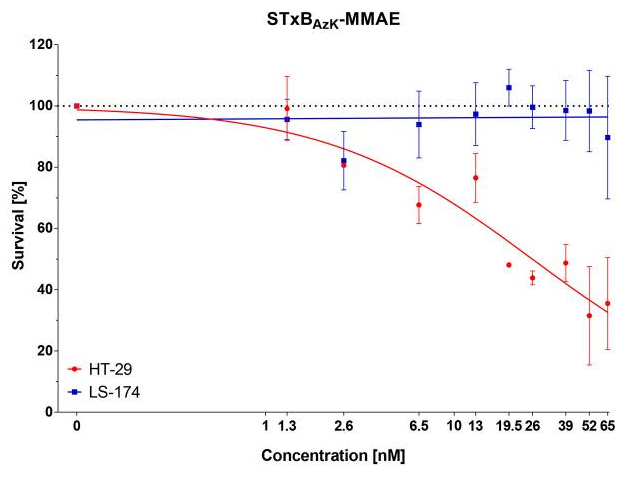
Shiga Toxin B subunit (STxB) is a kind of lectin which is specific to the glycosphingolipid (GSL) globotriaosylceramide (Gb3) on target tumore cells. Monomethyl auristatin E (MMAE) was conjugated to StxB (STxB-MMAE), and its tumore cell-killing capability was evakluated with using two types of cells, human colorectal adenocarcinoma cell lines—HT-29 (Gb3+) and LS-174 (Gb3-). The STxB–MMAE conjugate induced uptake and release of the MMAE drug in Gb3-positive tumor cells, reaching 94% of HT-29 cell elimination at 72 h post-treatment.

Characteristics of non-biocidal surface-active polysaccharides to prevent the initial adhesion and aggregation of bacterial pathogens

A group from Institut Pasteur Université Paris Cité, CNRS UMR 6047, Genetics of Biofilms laboratory, Paris, France, etc. has reported about non-biocidal surface-active polysaccharides to prevent the initial adhesion and aggregation of bacterial pathogens.
https://www.ncbi.nlm.nih.gov/pmc/articles/PMC10156666/

Bacterial biofilms are widespread surface-attached or aggregated bacteria that can negatively impact human activities when developing on medical or industrial surfaces. Due to their high tolerance to antibiotics, biofilms are difficult to eradicate, and the prevention of biofilm-associated infections is a major health and economic issue. Strategies to prevent biofilm formation often target the initial steps of bacterial adhesion using surfaces coated by biocidal agents such as broad-spectrum antibiotics or heavy metals5. These biocidal approaches are limited by the rapid accumulation of dead bacteria and organic debris, which reduces the activity of the coated surfaces toward new incoming cells.

Here, the antibiofilm activity of a panel of 31 purified Gram+ or Gram bacterial capsular polysaccharides of known composition and structure was investigated. Among those, nine new non-biocidal polysaccharides were found, which inhibite biofilm formation by prototypical nosocomial pathogens, including E. coli and S. aureus.

Through the detailed anayses for these polysaccharides, it was found that the combination of a loose structure (i.e. a large permeability to flow due to a large number of intraparticle voids) and a high density of carried electrostatic charges is critical for polysaccharides to exhibit antibiofilm activity.

Bacillus strains are good PGPBs for enhancing growth of rice crops

A group from Department of Microbiology, Himachal Pradesh University, Summerhill, Shimla, India, etc. has reprted about plant growth promoting Bacteria (PGPB) for Enhancing Growth of Rice Crops.
https://www.ncbi.nlm.nih.gov/pmc/articles/PMC10142854/

This investigation was undertaken with the aim of selecting multifarious plant growth-promoting Bacillus strains from the rice rhizosphere. The individual inoculation of seeds and coinoculation of Bacillus strains (Bacillus licheniformis MNNITSR2 and Bacillus velezensis MNNITSR18) showed a significant increase in overall plant growth without any chemical fertilizer amendments such as the murate of potash, diammonium phosphate and urea, etc. In detail, Bacillus MNNIT SR2 showed a significant increase in fresh shoot and root length (14.7% and 30.8%, respectively) and the dry weight of the shoot and root (53% and 35.6%, respectively) of rice plants after eight weeks compared to the untreated control in the pot culture assay. Similar results were obtained with Bacillus velezensis MNNIT SR18 which also increased the fresh shoot and root length (17% and 20%) and the dry weight of the shoot and root (88.3% and 83.7%) of rice plants after eight weeks compared to the untreated control in the pot culture assay.

These Bacillus strains show the following plant growth promoting activities.

IAA Production: which regulates various physiological processes, including root initiation, cell enlargement, and the stimulation of cell division, and results in an increase in the root surface area while enabling the plant to take up significantly more nutrients from the soil.
Phosphate Solubilization: Plants utilize only inorganic phosphorus, and organic phosphorus compounds must first be hydrolyzed by phosphatase enzymes.
Siderophore Production: which chelates iron in the rhizosphere and prevents fungal pathogens from flourishing in iron-limiting conditions.
Antifungal Activity: both strains were able to inhibit the mycelial growth of F. oxysporum and R. solani.
HCN Production: which affects the respiratory system of plant pathogenic fungi and leads to the inhibition of their mycelial growth.
Ammonia Production: which directly promotes plant growth and productivity
ACC Deaminase Activity: which has beneficial effects on the growth of plants by reducing the concentration of ACC under a wide range of different abiotic stresses, viz., salt stress, flooding stress, heavy metal stress, and pathogen attack
Abiotic Stress Tolerance Activity: both strains also showed salt and drought tolerance and were found to be resistant to 10–15% NaCl and 25% PEG 6000, respectively

In order to commercialize Optic Biome Sensor (OBS)

The optic biome sensor (OBS) that Mx (emukk) is developing is based on an optical fiber sensor, and has been devised under the motto of low cost, easy-to-usey and high speed sensing.
The first OBS (OBS1) was an demonstrator of this idea, and its mission was to confirm its operation.
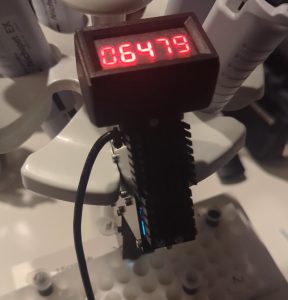
In the second OBS (OBS2), we have improved its practicality by constructing the housing with robust black alumite and introducing an echange function of the optical fiber sensors. As a result, we were able to demonstrate that bacteria (living bacteria) can be measured over a wide measurement range of 1,000 cells/mL to 200 million cells/mL. We will continue this demonstration work while expanding the target bacterial species.
OBSの性能の一端をご紹介

OBS Unit 3 (OBS3) will have a smooth curve in the housing by using plastic housing, while advancing the realization of a low price and setting an outlook for commercialization.


Setting the OBS2 in a pipette holder and measuring a sample

Antiviral activities of nanoparticle-like κ-Carrageenan polyelectrolyte complex with Chitosan

A group from G.B. Elyakov Pacific Institute of Bioorganic Chemistry, Far-Eastern Branch of the Russian Academy of Sciences, Vladivostok, Russia, etc. has reported about antiviral activities of κ-Carrageenan polyelectrolyte complex with chitosan
https://www.mdpi.com/1660-3397/21/4/238

Some of the well known polysaccharides of marine origin are the polysaccharides of red algae—carrageenans (CRGs). It is known that CRGs, mimicking heparan sulfate, are potential antivirals that can interfere with the early stages of viral replication, including virus entry, by masking the positive charge of the virus surface receptors to prevent them from binding to the heparan sulfate proteoglycans in the host cell surface. CRGs can be included in pharmaceutical compositions for the prevention or treatment of viral infections with no side effects.

Nanoparticles formation is one of the ways to modulate the physicochemical properties and enhance the activity of original polysaccharides. For this purpose, based on the polysaccharide of red algae, κ-carrageenan (κ-CRG), its polyelectrolyte complex (PEC), with chitosan (CH), were obtained. Obtained average diameter of nano@articles were about 150–200 nm.

The antiviral effect of these compounds was assessed by the inhibition rate of the cytopathogenic effect of the herpes simplex virus type 1 (HSV-1) in Vero cells. As a result, a two-fold increase in the antiherpetic activity (selective index) of PEC compared to κ-CRG and a 13 times increase compared to CH were shown, which was considered to be due to a change in the physicochemical characteristics of κ-CRG in PEC.

Rhizosphere bacteriome associated with tobacco black shank disease and its biocontrol with Bacillus

A group from Key Laboratory of Microbial Resources Collection and Preservation, Ministry of Agriculture and Rural Affairs, Institute of Agricultural Resources and Regional Planning, Chinese Academy of Agricultural Sciences, Beijing, China, etc. has reported about rhizosphere bacteriome associated with tobacco black shank disease and its biocontrol with Bacillus velezensis S719.
https://www.ncbi.nlm.nih.gov/pmc/articles/PMC10108594/

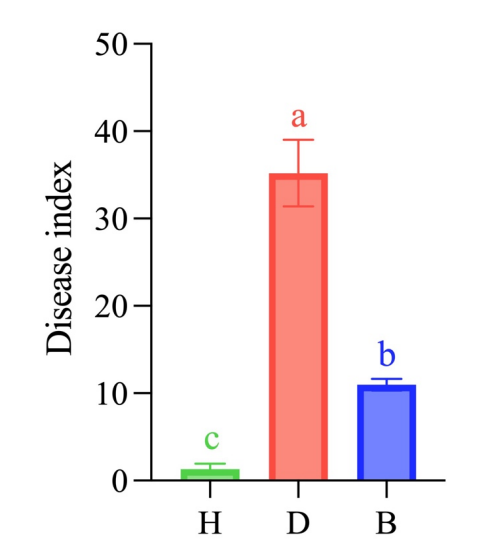
The tobacco rhizosphere soil samples obtained from the diseased field was regarded as the disease group (D group),
the samples obtained from the healthy control field were regarded as the healthy group (H group), which were 600 m away from the diseased field,
and the biocontrol group (B group) was defined as the diseased field treated with biocontrol agent consisting of Bacillus velezensis S719 after tobacco seedlings were transplanted.

The desease index was the owest in H groups and the highest in D groups as shown below. The effect of Bacillus innocuration was clearly obserbed in B groups comparing with D groups.

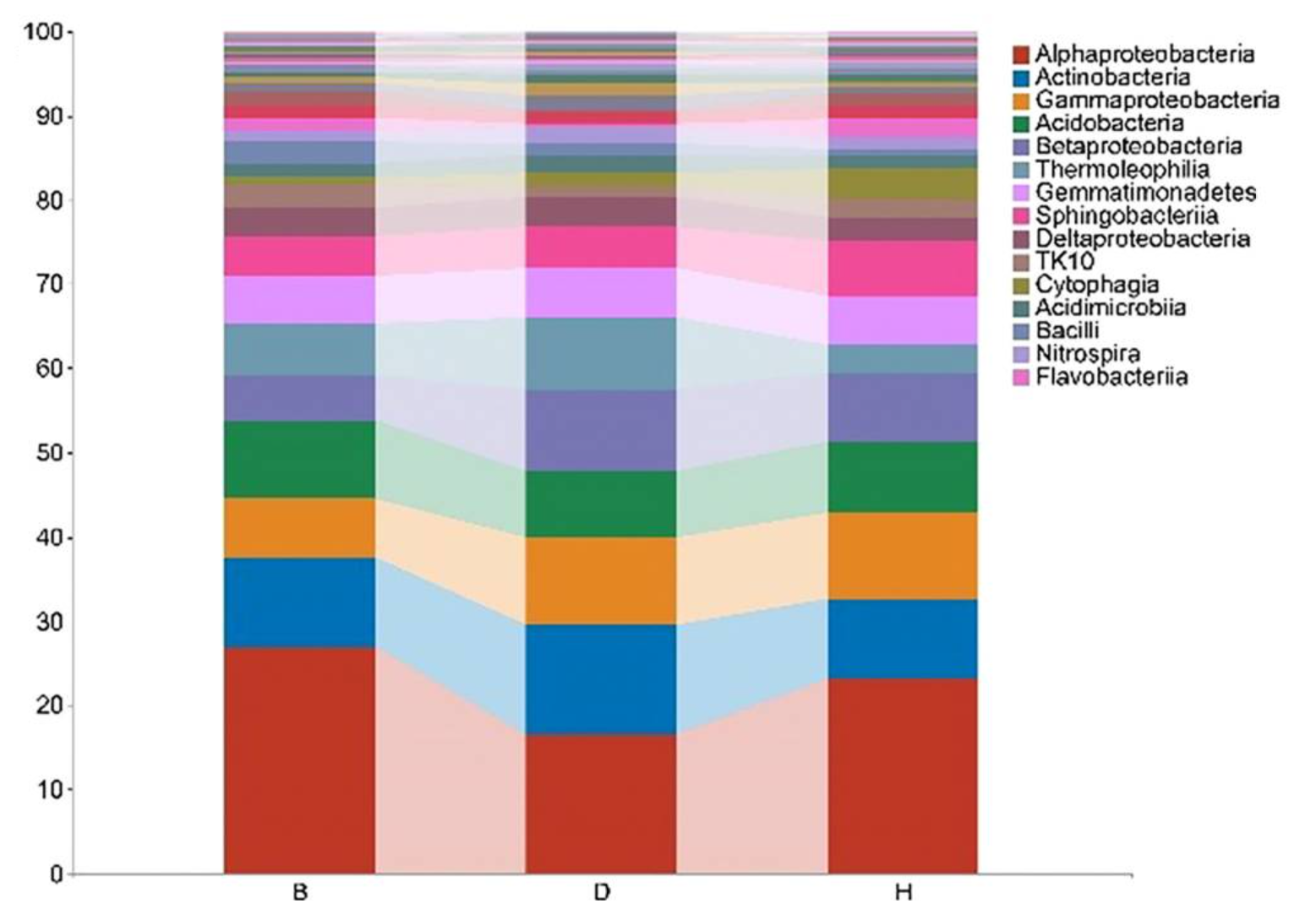
The relative abundance of the bacterial taxa was compared at the class levels.
In B groups, Alphaproteobacteria accounted for 27.2% of the ASVs, at least two folds more than other terms in the same group;
In D groups, Actinobacteria was abundant, accounting for 13% of the ASVs, while the proportions in group B and H were 10.6% and 9.5%, respectively;
In H groups, Sphingobacteria and Cytophagia were abundant, accounting for 6.7% and 3.5% of the ASVs, respectively.

Protective antibodies to schistosome infections include IgG responses to the core Xyl/Fuc epitopes in surface-expressed N-glycans

A group from Department of Biochemistry, Emory University School of Medicine, Atlanta, GA, USA, etc. has reported that protective antibodies to schistosome infections in brown rats and rhesus monkeys include IgG responses to the core Xyl/Fuc epitopes in surface-expressed N-glycans, and raise the potential of novel glyco-based vaccines that might be developed to combat this disease.
https://pubmed.ncbi.nlm.nih.gov/37081851/

Schistosomiasis, caused by infection with parasitic helminths of the genus Schistosoma, infects over two hundred million people worldwide and causes up to seventy million disability-adjusted-life years (DALYs)—more DALYs than those caused by malaria. Therefore, it is thought that novel vaccine targets are urgently needed. Many different mammals can host schistosomes. Humans become chronically infected, while Rodents can clear the worms soon after infection.

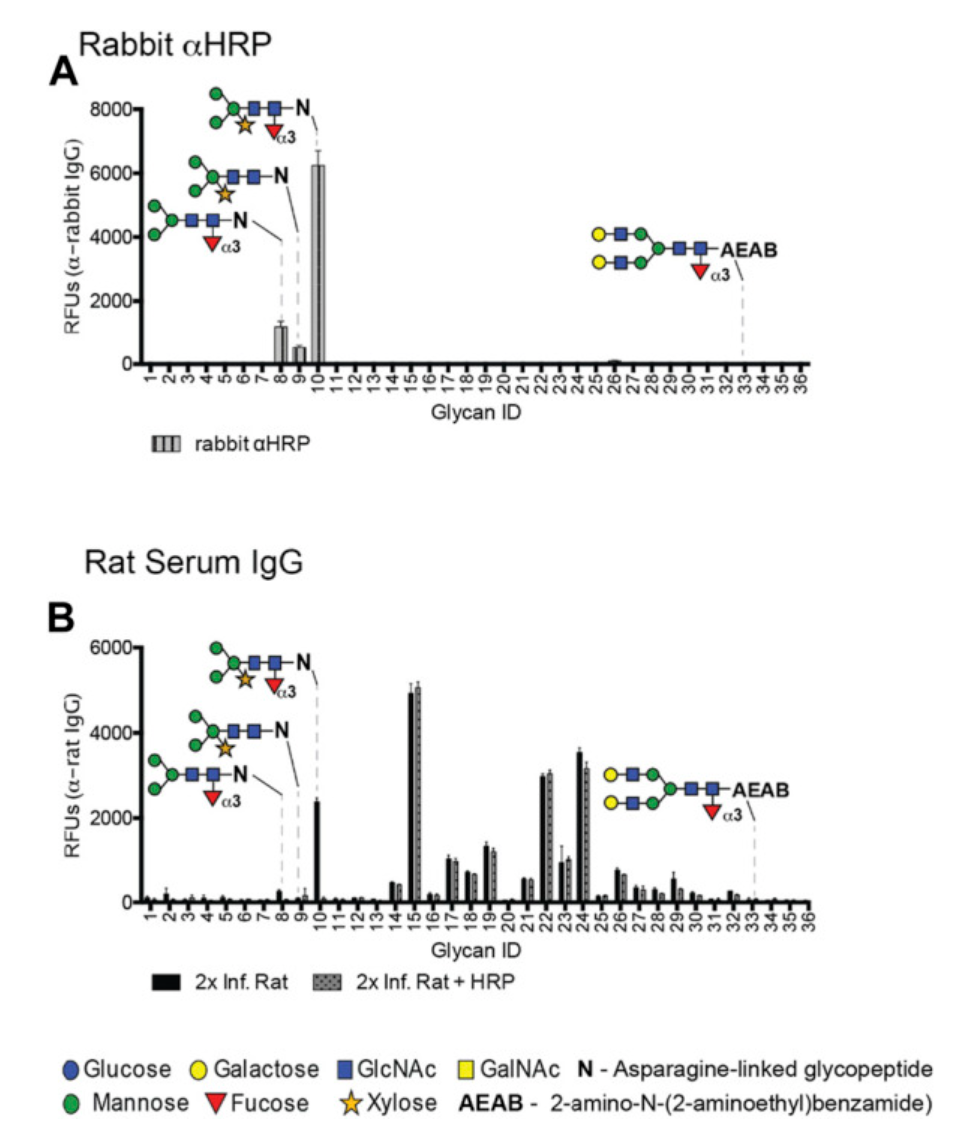
Human N-glycans typically contain a core modification of the GlcNAc residues in GlcNAc-Asn by α6-linked fucose. Core α2-Xylose (CX) and core α3-Fucose (CF) are not found in humans, but are common in N-glycans from insects (CF), plants (CX, CF), and worms (CX, CF).

In ths work, it was demonstrated that antibodies including rabbit anti-horseradish peroxidase (rabαHRP) to CX/CF promote complement-dependent and glycan-specific killing of schistosomula in vitro.

Core fucose-binding lectin PhoSL inhibits HBV infection

A group from Department of Molecular Biochemistry and Clinical Investigation, Osaka University Graduate School of Medicine, Osaka, Japan, etc. has reported that core fucose-binding lectin Pholiota squarrosa lectin (PhoSL) inhibits HBV infection.
https://www.ncbi.nlm.nih.gov/pmc/articles/PMC10105536/

Current anti-HBV therapies include nucleoside and nucleotide analogs, which can competitively inhibit HBV replication2,3, and pegylated interferons, which can modulate the host immune response to HBV infection and induce the degradation of covalently closed circular DNA (cccDNA) in hepatocytes.

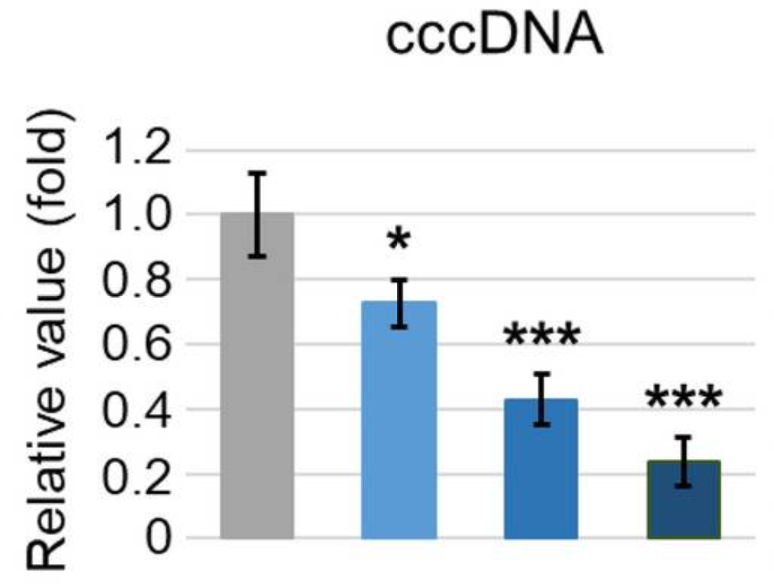
In this study, it was investigated the effects of PhoSL on HBV infection of the human cell line HepG2-hNTCP-C4, and also analyzed the molecular mechanisms underlying PhoSL-mediated inhibition of HBV infection. It was shown that the treatment with PhoSL dramatically decreased the levels of human HBV e antigen (HBeAg) , cccDNA (as shown belwo), HBV DNA, and HBV RNA), markers of HBV infection, in a dose-dependent manner without cytotoxicity.

There are two possibilities: (1) PhoSL affects the protein dynamics of the host cells, or (2) PhoSL binds to HBV.
As aresult, it was found that PhoSL inhibits EGFR activation by blocking the binding of EGF to EGFR, and also PhoSL binds to HBV particles directly. HBV particles bound by PhoSL are internalized into host cells, and PhoSL seems to inhibit HBV infection after internalization.

PhoSL treatment could contribute to the development of novel anti-HBV therapies.

Development of novel antibiotics from Actinomycetia isolated from the rhizosphere soil of Juniperus excelsa

A group from Department of Genetics and Biotechnology, Ivan Franko National University of Lviv, Ukraine, etc. has reported about development of novel antibiotics from Actinomycetia isolated from the rhizosphere soil of Juniperus excelsa.
https://www.ncbi.nlm.nih.gov/pmc/articles/PMC10031196/

Natural products play a key role in drug discovery, especially in the treatment of infectious diseases. However, the rapid spread of bacterial infections has been observed in recent decades, mainly due to the rapid emergence and spread of multidrug-resistant pathogens. As a consequence, there is now a general consensus that the discovery of new antibiotics is needed as the best solution in the fight against antibiotic resistance among microorganisms.

In this work, the 372 actinomycete-like strains were isolated in 2008 from rhizosphere soil of J. excelsa collected from mountainous region on the Crimean Peninsula in Ukraine. First of all, those strains were screened by means of the spot inoculation method to evaluate antimicrobial activity, and the secondary metabolite extracts from selected strains were analyzed by LC–MS and dereplication analysis.

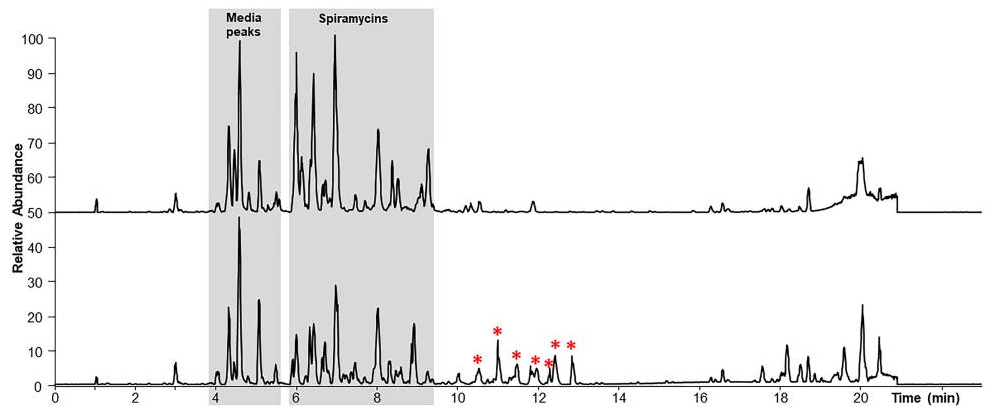
As a result, it was found that the Streptomyces sp. Je 1–651 strain exhibited strong inhibitory activity against all of the utilised microbial test cultures, except for P. aeruginosa. In the crude extracts of the Je 1–651 strain grown on DNPM medium, there were seven peaks (indicated by Red stars below) not identified in the existing database in addition to those of spiramycins and stambomycins. This may indicate the potential novelty of antibiotic compounds, and the future research is expected.

Powered by WordPress |Copyright © 2020 Emukk. All rights reserved