Trichoderma strains are promising biocontrol agents for plants: Chitinase and β-1,3-glucanase are the keys secreted from trichoderma

A group from College of Plant Protection, Hainan University, Haikou, Hainan, China, etc. has reported that the 13 trichoderma strains are promising biocontrol agents and could be developed as biofertilizers and biological pesticides for agricultural applications.
https://www.ncbi.nlm.nih.gov/pmc/articles/PMC8714372/

The 13 Trichoderma strains that significantly promoted the seed germination were further tested for their effect on root growth of watermelon, chili, eggplant, and tomato seedlings. In greenhouse experiment, all strains showed a promotion effect on root growth of chili seedlings, and among them, HL100 strain showed maximum increase 12.17% in root length compared to control. Three strains (GZ070, HL100, and HN059) significantly promoted the root growth of watermelon seedlings. HN059 strain showed maximum increase of 18.81% in root length compared to control. Trichoderma strains GZ070, HL100, HN059, JX013, XJ087, and NX043 strains and HL119, HN059, SC012, XJ035, SC098, and SC101 were found to promote the root growth of eggplant and tomato seedlings, respectively. The highest increase in root length of eggplant (40.99%) and tomato plants (34.68%) was recorded by GZ070 and SC098 strains, respectively.

Trichoderma grows rapidly and can quickly occupy the growth space of pathogenic fungi, which is one of the important mechanisms of their antimicrobial effect.
The production of cell wall-degrading enzymes (CWDEs) and volatile antibiotics is key parameters for Trichoderma as a biocontrol agent. It was found that 13 Trichoderma strains (PI > 85%) with excellent antagonism to pathogens could secrete chitinase and β-1,3-glucanase, which were closely related to the cell wall composition of pathogens. Therefore, Trichoderma can not only compete with pathogens for space and nutrition but also degrade the cell walls of pathogens, deform, or even digest the hyphae, and inhibit the growth of pathogens.

As references, some reports suggested that root colonization by Trichoderma strains could increase levels of defense-related plant enzymes, including various peroxidases, chitinases, β-1,3-glucanases, and the lipoxygenase-hydroperoxide lyase pathway. In cucumber, root colonization by strain T-203 causes an increase in phenolic glucoside levels in leaves; their aglycones (which are phenolic glucosides with the carbohydrate moieties removed) are strongly inhibitory to a range of bacteria and fungi.
Serum glycobiomarkers for colorectal carcinoma using reverse-phase Lectin Microarray: The combination of PHAE and HL sel was the best

A group from Institute of Chemistry, Slovak Academy of Sciences, Bratislava, Slovakia, etc. has reported that the combination of lectins (PHAE + HL sel) can detect only glycosylation changes associated with colorectal cancer (CRC) and not with age.
https://www.ncbi.nlm.nih.gov/pmc/articles/PMC8695905/

Here, reverse-phase lectin microarrays were used for the identification of changes in the serum glycome as potential CRC biomarkers.

What is the reverse-phase lectin microarrays:
Serum samples diluted 50× were spotted in different wells in triplicates using a microarray spotter on epoxide-coated slides. Subsequently, after spotting and blocking the slides, 70 μl of biotinylated lectins (5 μg/ml in PBS) was added and incubated at RT for 1 h. The slides were washed gently three times with PBS, and then 70 μl of streptavidin-fluorescent material conjugate (0.1 μg/ml in PBS) was added for 15 min. After a washing step and additional wash with deionized water, fluorescence intensity was read at 635 nm using a microarray reader.

Lectins used in this experiment:
AAL, RPL-Fuc1, PHAE, PHAL, ConA, DBA, WFL, WGA, RCAI, MAA, P sel, RPL-Sia2, SNAI, HPyL, HE sel, and HL sel

The lectin combination PHAE (specific to N-ghlycans with outer Gal and bisecting GlcNAc) + HL sel (specific to 6-O-Su sLex) provided the highest discrimination accuracy based on the AUC value (0.989).

Glutamic acid directly modulates the composition of the microbiome community of strawberry and tomato

A group from Gyeongsang National University, Jinju, Korea, etc. has reported that glutamic acid directly modulates the composition of the microbiome community of strawberry and tomato.
https://pubmed.ncbi.nlm.nih.gov/34930485/

Throughout plant development, the structure of the associated microbial community has a significant impact on plant health, especially in disease prevention by beneficial microbes such as Bacillus, Pseudomonas, and Streptomyces.

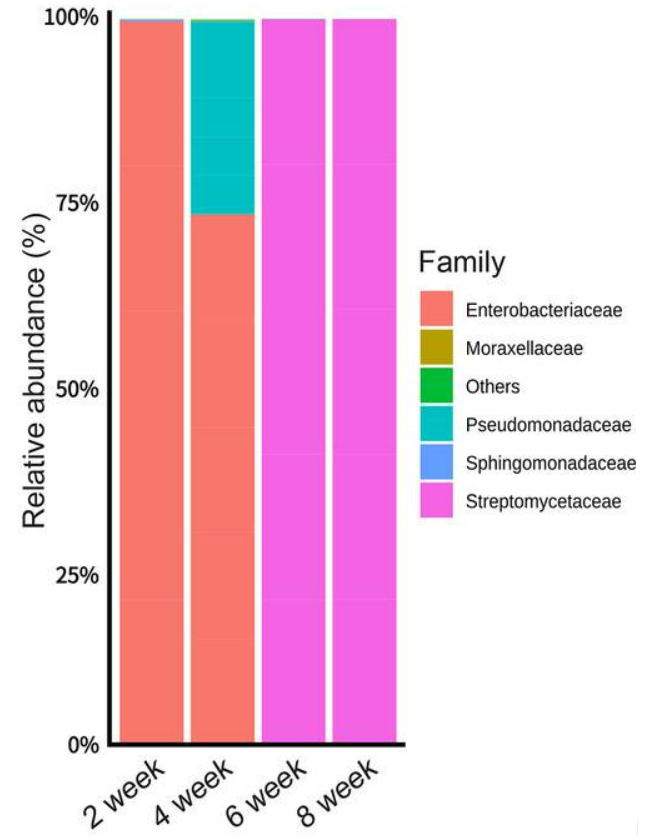
Whether l-glutamic acid can modulate the structure of the strawberry anthosphere microbial community was examined. Each of three treatments (untreated control, l-glutamic acid, or l-asparagine at a final concentration of 2%, pH 6.5) was sprayed for 1 min per plot at 2-week intervals. Enterobacteriaceae dominant from weeks 2–8 in the untreated control, in the l-asparagine treatment, and from weeks 2–4 in the l-glutamic acid treatment. Pseudomonadaceae were the second most abundant species, followed by Moraxellaceae. Enrichment of Streptomycetaceae occurred only in the l-glutamic acid treatment during weeks 6 and 8, accounting for 99.9 and 99.9% of the community (see below).

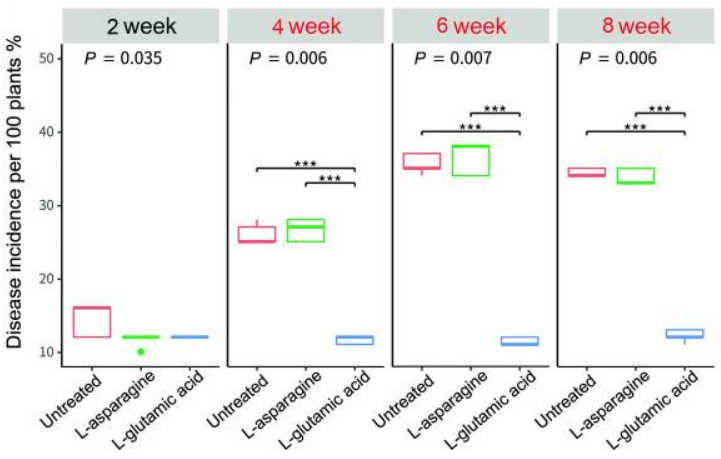
Then, the effect of l-glutamic acid on the occurrence of gray mold, blossom blight, and the density of Streptomyces globisporus SP6C4, in strawberry flowers was studied. Disease incidence (DI) was evaluated at 2-week intervals. At the same time, l-glutamic acid and l-asparagine were sprayed three times, at 2-week intervals, from week 4 to week 8. Gray mold DI from week 0 to week 4 remained relatively low (10–16%) regardless of treatment. At 6 weeks, the untreated control presented a DI of 16.6%; the DI in the l-asparagine-treated plot was 16%, and the DI in the plot treated with l-glutamic acid was significantly lower, at 12.4%. At week 8, the DI in the untreated control increased to 34% but that in the plot sprayed with l-glutamic acid was maintained below 17% (see below).

Thus, it was shown that glutamic acid reshapes the plant microbial community and enriches populations of Streptomyces, a functional core microbe in the strawberry anthosphere. Similarly, in the tomato rhizosphere with more complex microbiome, treatment with glutamic acid increased the population sizes of Streptomyces as well as those of Bacillaceae and Burkholderiaceae. At the same time, diseases caused by species of Botrytis and Fusarium were significantly reduced.

Vaccine boosters enhance the cross-reactivity of neutralizing antibody responses against SARS-CoV-2 omicron variant

A group from Department of Pathology, Massachusetts General Hospital, Boston, MA, USA, etc. has reported that vaccine boosters enhance the cross-reactivity of neutralizing antibody responses against SARS-CoV-2 omicron variant.
https://www.ncbi.nlm.nih.gov/pmc/articles/PMC8687472/

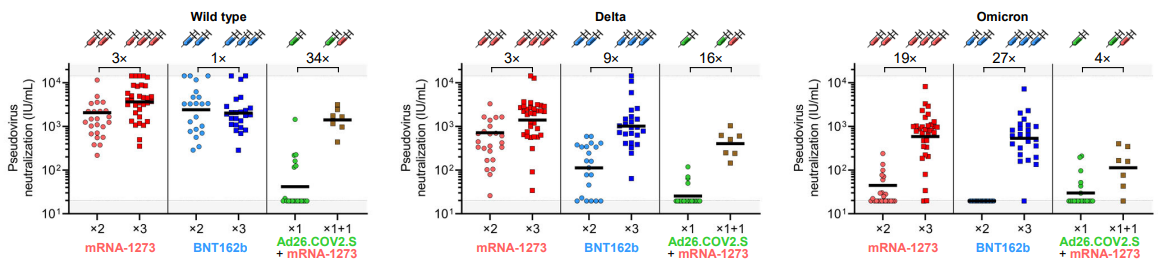
Neutralization titers of sera from 239 individuals who had been fully-vaccinated with one of three vaccines approved in the United States—mRNA-1273, BNT162b2, or Ad26.COV2.S were evaluated against wild type, Delta and Omicron variants (BNT162b2 manufactured by Pfizer-BioNTech, mRNA1273 manufactured by Moderna or as an adenovirus vectored vaccine (Ad26.COV2.S) manufactured by Janssen/Johnson & Johnson).

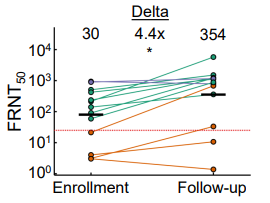
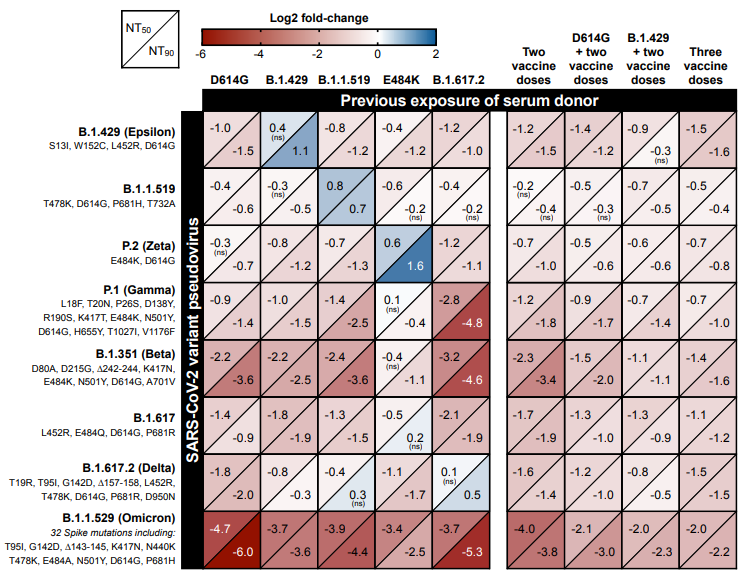
Cross-neutralization of Omicron variant was substantially higher in individuals who received three doses of either mRNA vaccine (GMNT increase of 19-fold for mRNA-1273 and 27-fold for BNT162b. Interestingly, Ad26.COV2.S vaccinees boosted with mRNA-1273 showed substantially higher wild type, Delta, and Omicron pseudovirus neutralization relative to those who received Ad26.COV2.S alone.

These data suggest that booster vaccines are quite effective in preventing Omicron variant infection.

Interleukin-6 to lymphocyte (IL-6/Lym) ratio has high power to predict negative outcome in patients with SARS-CoV-2 infection

A group from internal Medicine II, San Giuseppe Hospital, Empoli, Italy, etc. has reported that Interleukin-6 to lymphocyte (IL-6/Lym) ratio has high power to predict negative outcome in patients with respiratory failure associated with SARS-CoV-2 infection
https://www.ncbi.nlm.nih.gov/pmc/articles/PMC8660176/

AUC (0.797, 95% CI: 0.738–0.848) of IL-6/Lym ratio in SARS-CoV-2 related pneumonia was the highest compared with those of all the other analyzed biomarkers and the difference was significant with the exception of IL-6.

Despite the exact pathophysiology mechanism in Acute Respiratory Distress Syndrome (ARDS) of COVID-19 remains unclear, much studies shows that high levels of IL-6 and low lymphocytes count are biomarkers of cytokine storm and immune response in COVID-19. However the predictive power of these biomarkers is evaluated singularly. Combining two biomarkers by using the ratio between them could increase their predictive power.

In COVID-19 patients lymphocytes count has been included in a lot of ratios with other biomarkers for testing outcomes such as neutrophil/lymphocyte (Neu/Lym) ratio, platelets/Lym ratio, Lym/CRP ratio, lymphocyte to monocyte ratio, eosinophil to lymphocyte ratio . On the other hand, recently IL-6/Lym ratio has been proposed as an interesting prognosticator in patients with COVID-19.

Nguyenibacter sp. L1 is a good phosphate-solubilizing bacteria (PSB) in acid soil

A group from Institute of Soil Science, Chinese Academy of Sciences, Nanjing, China, etch. has reported that Nguyenibacter sp. L1 is a good phosphate-solubilizing bacteria (PSB) in acid soil.
https://www.ncbi.nlm.nih.gov/pmc/articles/PMC8637293/

Phosphorus (P) is an essential macronutrient required for plant growth and productivity. Even in P-rich soils, more than 80% of P is immobile and not readily accessible for plant uptake. P exists in soil in different forms, mainly as inorganic and organic P, whose proportions are soil dependent. The forms of inorganic P also vary in soil as the function of soil pH. In alkaline soils, inorganic P exists mainly in the form of calcium phosphate, magnesium phosphate, and octacalcium phosphate, and in acid soils with high level of weathering, iron (Fe) and aluminum (Al) oxides strongly absorb P to form fixed Fe-P and Al-P.

One of the promising ways to improve plant utilization of fixed P in soil will be increasing the bioavailability of insoluble P by improving soil, such as by inoculating or enhancing PSBs in soil.

In this study, a PSB strain with Al-P solubilizing activity, Nguyenibacter sp. L1, from the rhizosphere soil of L. bicolor grown in acid soils was isolated. The solubilization of Al-P by Nguyenibacter sp. L1 is associated with the secretion of gluconic acid in the presence of glucose as a carbon source. Gluconic acid can also alleviate Al toxicity to plants.

A large amount of gluconic acid and a higher available P concentration were observed in culture medium containing glucose as the carbon source and inoculated with Nguyenibacter sp. L1.
Then, to examine whether gluconic acid is able to detoxify Al, we compared the inhibitory effect of Al on the root elongation of rice plants in the presence or absence of gluconic acid. Rice root elongation was markedly inhibited by 50 μM Al with or without 0.05 mM gluconic acid, but this inhibitory effect disappeared in the presence of 0.5, 2.5, or 7.6 mM gluconic acid. This result indicates that the external addition of gluconic acid alleviated Al toxicity to plant roots.

Impacts of SARS-CoV-2 Omicron variant on Infectivity, Vaccine breakthrough, and Antibody resistance

A group from Department of Mathematics, Michigan State University, MI, USA, etc. has reported on Infectivity, vaccine breakthrough, and antibody resistance of SARS-CoV-12 Omicron variant.
https://www.ncbi.nlm.nih.gov/pmc/articles/PMC8647651/

Infectivity:
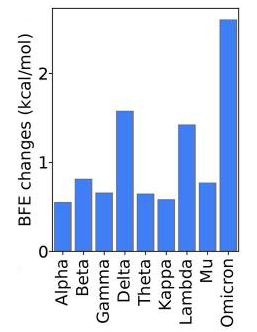
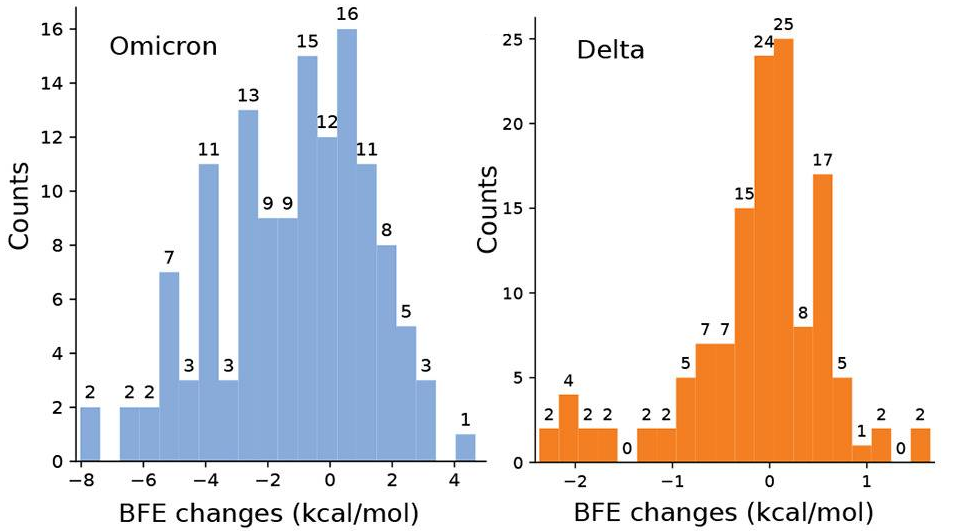
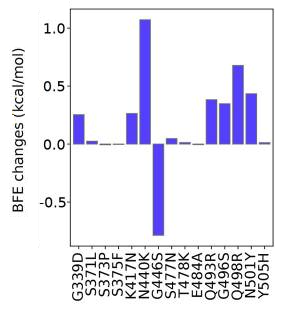
The Infectivity of SARS-CoV-2 is mainly determined by the binding affinity of the ACE2 and RBD complex, although the furin cleavage site plays a crucial role as well. Omicron has three mutations at the furin cleavage site and 15 mutations on the RBD, suggesting a significant change in its infectivity. Changes in the infectivity of Omicron were analyzed by examining the Binding free energy (BFE) changes of the ACE2 and S protein complex induced by 15 Omicron RBD mutations. As a result, Omicron is to be about 2.8 times as infectious as the Delta (i.e., BFE change: 1.57kcal/mol).

Vaccine breakthrough:
A molecule-based data-driven analysis as done about Omicron’s impact on vaccines through a library of 132 known antibody and S protein complexes. Changes in the binding free energy induced by 15 RBD mutations on these complexes were evaluated to understand the potential impact of Omicron’s RBD mutations to vaccines. This study does not include a few known antibody-S protein complexes that are far away from the RBD, such as those in the N-terminal domain (NTD), due to limited experimental data in the antibody library. As a result, Omicron’s vaccine-escape capability will be about twice as high as that of the Delta variant.

Antibody resistance:
Omicron will have a very mild negative impact on the Regeneron cocktail.

Titanium (Ti) foliar application promotes plant growth by Phosphorus (P) uptake through in root auxin content and photosynthetic efficiency

A group from College of Agronomy, Sichuan Agricultural University, Chengdu, China, etc. has reported that Titanium (Ti) foliar application increases Phosphorus (P) uptake through in root auxin content and photosynthetic efficiency.
https://www.ncbi.nlm.nih.gov/pmc/articles/PMC8631872/

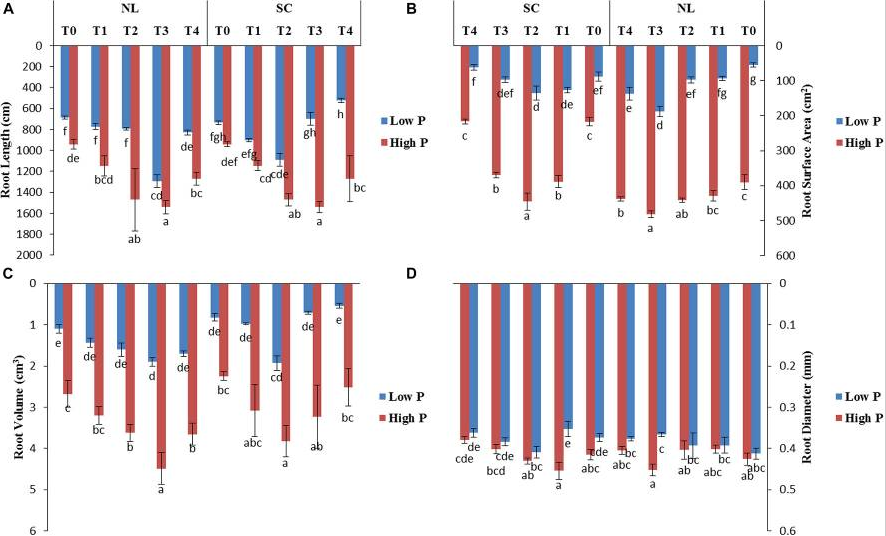
Under normal light (NL), photosynthetic Rate increased significantly in response to T2 (14.06%) and T3 (30.46%) against T0 (control) in High P condition, whereas in Low P condition, a significant increase was recorded in T2 (21.98%), T3 (38.81%), and T4 (21.43%) as compared to control, where T0, T1, T2, T3 and T4 mean different concentrations of Ti (T0 = 0, T1 = 125, T2 = 250, T3 = 500 and T4 = 1,000 mg/L), and high P (HP) = 100 mg/kg and low P (LP) = 10 mg/kg.

It was found that the increase in root growth traits such as root hairs, root length, lateral root formation and root surface area was associated with root auxin content. This increase in the morphological characteristics of roots due to the Auxin content significantly improved the efficiency of nutrient absorption, for example P.

Effect of Ti application on (A) root length, (B) root surface area, (C) root volume, and (D) root diameter of soybean under NL and shade (SC) combined with Low P and High P conditions.

Lipid nanoparticle (LNP) enhances the efficacy of mRNA vaccines as a versatile adjuvant

A group from Department of Medicine, University of Pennsylvania, Philadelphia, PA, USA has shown that Lipid nanoparticle (LNP) enhances the efficacy of vaccines as a versatile adjuvant using influenza virus and SARS-CoV-2 mRNA and protein subunit vaccines.
https://www.ncbi.nlm.nih.gov/pmc/articles/PMC8566475/

Adjuvants are critical for improving the quality and magnitude of adaptive immune responses to vaccination. LNP-encapsulated nucleoside-modified mRNA vaccines have shown great efficacy against severe acute respiratory syndrome coronavirus 2 (SARS-CoV-2), but the mechanism of action of this vaccine platform is not well-characterized.

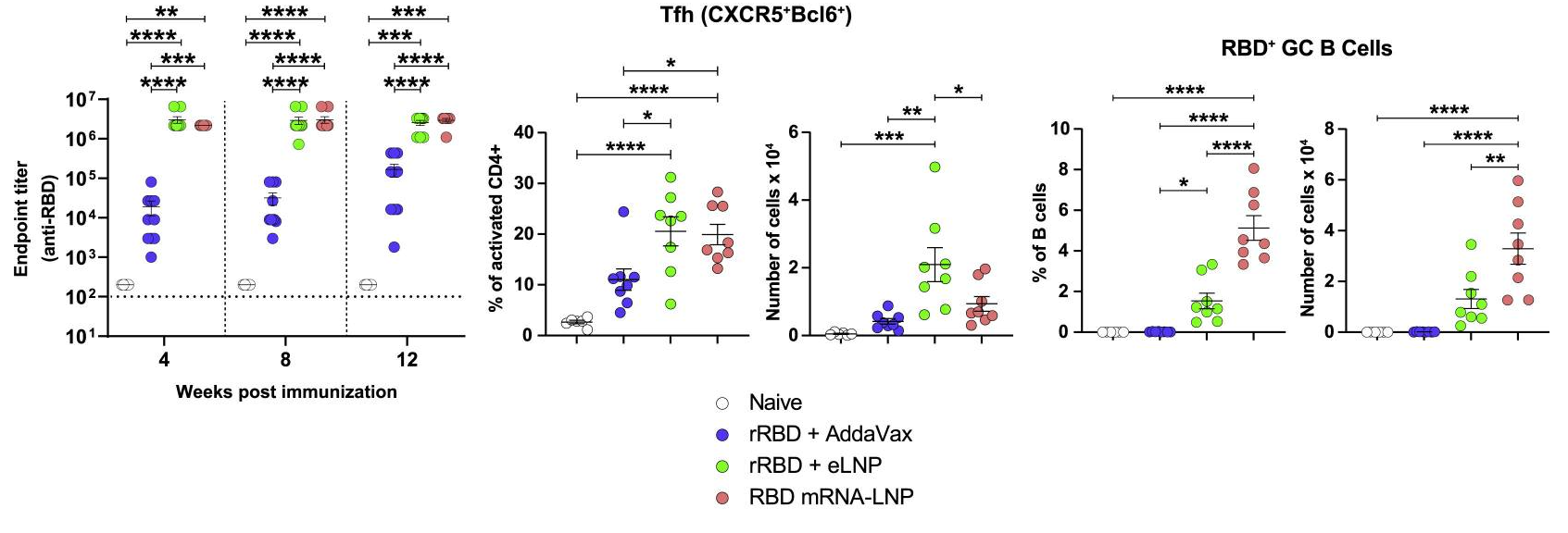
To demonstrate that this LNP formulation can provide adjuvant activity for other antigens, empty LNP (eLNP)- and AddaVax-adjuvanted SARS-CoV-2 spike protein subunit vaccines were evaluated using mice. Mice were immunized with a single dose of recombinant SARS-CoV-2 spike protein receptor binding domain (rRBD) adjuvanted with eLNP or AddaVax. As a positive control, another group of mice was immunized with nucleoside-modified RBD mRNA-LNP. It was found that LNP-adjuvanted vaccines elicited durable RBD-specific IgG titers that were significantly higher than the AddaVax-elicited responses.

To evaluate the adjuvant properties of LNPs with and without the ionizable lipid, mice were immunized with hemagglutinin recombinant protein (rHA) mixed with the two different formats of eLNP. The eLNP with the ionizable lipid showed high hemagglutinin inhibition titers, however, strikingly, eLNP not containing the ionizable lipid did not possess adjuvant activity.

IL-6 has been shown to be an early regulator of T follicular helper (Tfh) cell differentiation. Tfh cells are a subset of CD4+ T cells specialized in regulating affinity maturation of B cells in germinal centers (GCs). Induction of Tfh cells is critical for durable, protective Ab responses. It was found that the eLNP containing the ionizable lipid (eLNP) and mRNA-LNP induced large amounts of proinflammatory cytokines and chemokines, whereas the LNP lacking the ionizable lipid and AddaVax elicited lower cytokine and chemokine concentrations.

where, empty LNP (eLNP), AddaVax (an MF59-like adjuvant).

Powered by WordPress |Copyright © 2020 Emukk. All rights reserved